
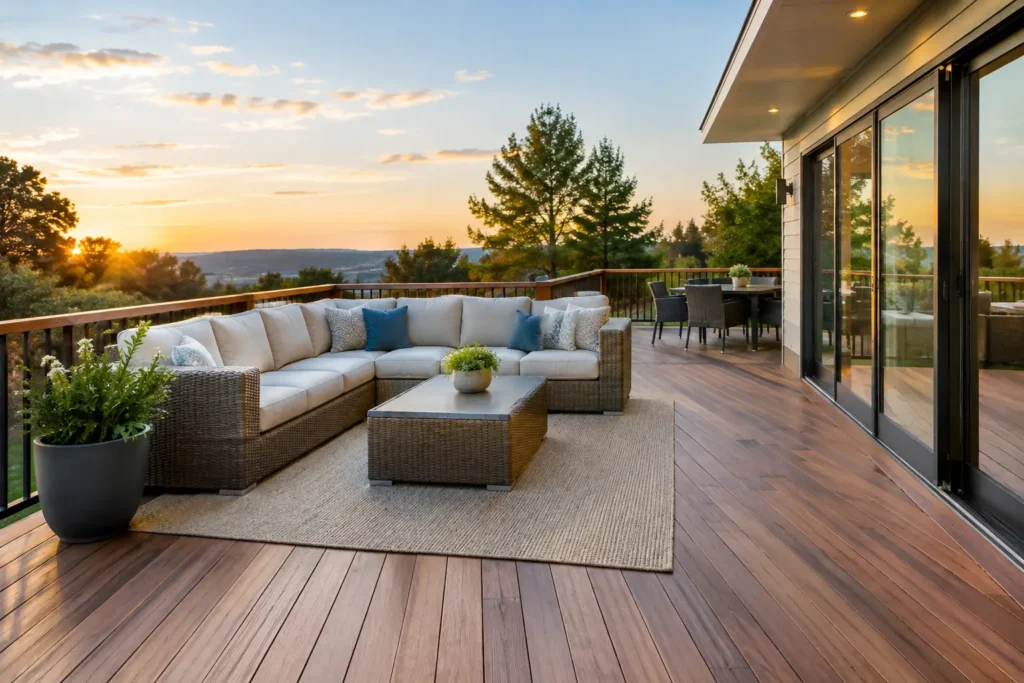
A deck should make your backyard easier to use, not create another maintenance job or become an awkward platform outside the back door. The best Sunbury deck builders look beyond the boards themselves. They consider where the afternoon sun falls, how water moves through the block, how your home opens to the yard, and whether the finished area will genuinely suit the way you live.
For many Sunbury homeowners, decking is the missing link between the house and the landscape. It can turn a sloping yard, a narrow side area or a plain concrete threshold into a practical place for family meals, entertaining and quiet time outdoors. Getting the design and construction right from the beginning is what gives the space lasting value.
What good Sunbury deck builders should consider
A quality deck is a structural project as well as a visual upgrade. While the choice of decking material matters, the planning underneath it matters just as much. Poor footing placement, weak framing, insufficient ventilation or incorrect drainage can shorten the life of even the most attractive deck.
Sunbury properties can vary widely. Some blocks are flat and newly developed, while others have established gardens, changes in level, reactive soil or views worth framing. A deck should be designed around those site conditions rather than forced into a standard shape. That may mean stepping the deck down into the garden, incorporating a retaining edge, allowing for drainage channels, or positioning stairs where they create a natural path through the yard.
The connection to your home is equally important. Decking that sits at the right height can make an indoor living room feel larger and improve access to the backyard. If the deck is too high, too small or poorly aligned with doors and windows, it can interrupt the flow it was meant to improve.
Start with how the space will be used
Before selecting a timber colour or composite finish, think about the role the area needs to play. A compact deck outside a kitchen may only need room for a table and a clear walkway. A larger family backyard may need zones for dining, a barbecue, outdoor seating and access to lawn for children or pets.
This is where a tailored design makes a noticeable difference. A deck for regular entertaining needs generous circulation space, while a low-maintenance courtyard deck may be better suited to built-in seating and planting around the edges. Commercial properties may prioritise safe entry points, durable finishes and a clean presentation that reflects well on the business.
It is also worth considering privacy and shade early. A deck exposed to the western sun can be uncomfortable during summer without a plan for screening, pergola coverage, trees or other shade solutions. These elements work best when they are considered with the deck layout, not treated as last-minute additions.
Choosing decking materials for Melbourne conditions
Most deck decisions come down to timber or composite decking. Both can produce an excellent result, but they have different strengths, costs and upkeep requirements.
Natural timber has warmth and character that many homeowners prefer. Species and profiles vary, and the right option depends on the desired appearance, budget and maintenance commitment. Timber generally needs regular cleaning and protective oiling or sealing to maintain its finish and reduce weathering. For owners who enjoy the natural look and are prepared to care for it, timber can be a rewarding choice.
Composite decking is often selected for its consistency and lower day-to-day maintenance. It does not require the same oiling schedule as timber, and it can be a practical option for busy households, rental properties and commercial spaces. However, composite products vary in quality, texture and heat performance. Darker boards can become hot in direct sunlight, and the subframe, fixings and installation method still need to be completed properly.
Neither material is automatically better. The right choice depends on exposure, usage, budget and the level of ongoing maintenance you are comfortable with. An experienced contractor should explain these trade-offs clearly rather than steering every project towards one product.
Do not overlook the structure below the surface
The visible deck boards receive the attention, but the frame carries the load. Quality construction includes suitable footings, correctly spaced joists, appropriate bearers, corrosion-resistant fixings and sufficient clearance for air to circulate below the deck.
Moisture is one of the biggest threats to decking longevity. Water should drain away from the home and not sit against posts, framing or adjacent garden beds. On raised decks, access beneath the structure may be needed for future inspection or maintenance. On low-level decks, careful preparation is especially important because airflow can be limited.
A professionally built deck should also feel solid underfoot. Boards need consistent spacing, edges should be neatly finished, and stairs and handrails must suit the deck height and expected use. These details protect the investment and make the space safer for everyone using it.
Designing decking as part of the whole landscape
A deck works best when it belongs to the yard rather than sitting in isolation. The surrounding landscaping can soften its edges, add colour, improve privacy and make the outdoor space feel more complete.
For example, planting beds beside a deck can reduce glare and create a more relaxed setting. A lawn area can provide visual relief from hard surfaces and room for children to play. Paving, stepping stones or gravel paths can connect the deck to a shed, garden, pool area or side gate without people wearing tracks through the lawn.
Where a yard has a fall, retaining walls and decking often need to be planned together. Building these elements separately can lead to mismatched heights, poor access or unnecessary rework. A full-service landscaping team can coordinate the deck with drainage, turf, garden edging, planting and hardscaping so the finished result feels intentional from every angle.
Australian Landscape Hub takes this joined-up approach for property owners who want one experienced team to move from initial ideas through to a completed outdoor area. It reduces the need to coordinate separate trades and keeps practical site considerations at the centre of the design.
Questions to ask before approving a deck quote
Comparing quotes is sensible, but the cheapest figure is not always the best value. Make sure each proposal describes the same scope of work. One quote may include demolition, footings, stairs, framing, rubbish removal and finishing details, while another may only cover the deck surface.
Ask what material is proposed for the boards and subframe, how the structure will be supported, and whether drainage or site preparation is included. If your project needs a handrail, balustrade, retaining work or a permit, clarify who is responsible for these requirements. It is far easier to resolve these points before construction starts.
You should also ask about access to the site. Tight side access, established gardens, uneven ground and proximity to neighbouring fences can all affect labour, material handling and project timing. A proper on-site assessment helps prevent unwelcome variations later.
Finally, look for clear communication. A reliable builder should be able to explain the recommended layout, material options, expected project sequence and likely maintenance needs in plain language. You do not need to be a construction expert, but you should feel confident about what is being built and why.
Make room for the life you want outdoors
The most successful decks are not necessarily the largest or the most expensive. They are the ones that suit the home, handle local conditions and give people a reason to spend more time outside. Whether you are improving a compact courtyard, updating an ageing entertaining area or building a new backyard from the ground up, careful planning will produce a deck that continues to earn its place for years to come.