
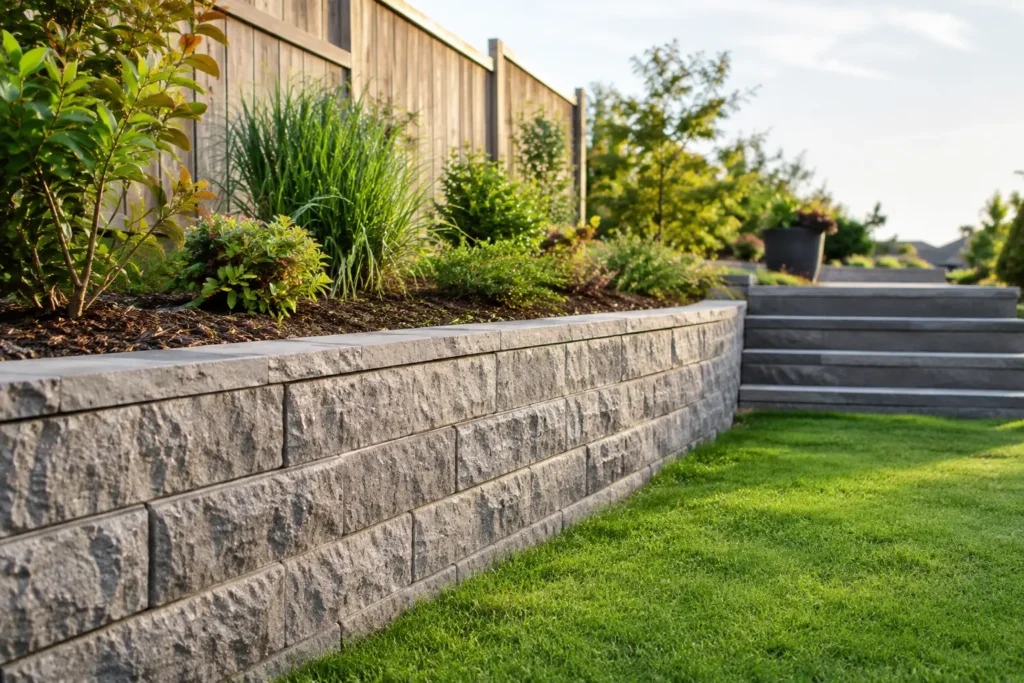
A retaining wall has a bigger job than making a sloping yard look tidy. It holds back soil, manages level changes, protects nearby paving or structures, and can turn an awkward part of a property into usable outdoor space. Choosing the best retaining wall materials means looking beyond appearance to drainage, wall height, soil conditions, access and how the finished area will be used.
For Melbourne homes, commercial sites and industrial properties, the right choice often comes down to balancing upfront cost with long-term performance. A low garden bed border has very different requirements from a structural wall supporting a driveway, patio or elevated lawn.
What determines the right retaining wall material?
Before selecting a material, the wall needs to be assessed as part of the broader landscape. The height of the retained ground is a major factor, but it is not the only one. Soil type, water movement, loading from vehicles or buildings, boundary proximity and the space available behind the wall all affect the design.
Drainage deserves particular attention. Water building up behind a wall creates pressure that can cause leaning, cracking, movement and early failure. A well-built retaining wall generally includes appropriate drainage gravel, agricultural pipe and outlets, along with a stable base and correct backfilling. The material may be visible, but the preparation behind it is what protects the investment.
Walls above certain heights, or walls supporting a surcharge such as a driveway, may need engineering and permits. Requirements can vary by site and council area. A professional site inspection helps identify these considerations early, before materials are ordered or excavation begins.
Best retaining wall materials for different projects
Treated pine sleepers
Treated pine remains a popular option for smaller residential retaining walls because it is cost-effective, natural-looking and relatively quick to install. It works well in informal gardens, around lawn areas and where a warm timber finish suits decks, garden beds or established planting.
Quality treated pine sleepers can provide a reliable result when installed with suitable posts, drainage and ground clearance. However, timber is a natural product and will eventually weather, fade and age. Its lifespan depends on treatment level, moisture exposure, soil contact and ongoing conditions. It is usually better suited to low to medium-height walls than applications carrying heavy loads.
For owners planning a future garden refresh, timber can be a practical choice. For a prominent wall expected to remain unchanged for decades, concrete may offer more certainty.
Concrete sleepers
Concrete sleepers are one of the strongest all-round choices for Melbourne properties. They are highly durable, resistant to rot and termite damage, and available in finishes that mimic timber grain, stacked stone or clean contemporary panels. Combined with galvanised steel posts, concrete sleeper walls provide a crisp, long-lasting solution for both residential and commercial landscapes.
This material is especially well suited to sites with notable level changes, tight side access, heavier retained loads or a modern landscape design. It can also be a sensible option where a wall sits close to a boundary and needs to retain its appearance with minimal maintenance.
Concrete sleepers generally cost more than basic timber at the outset, particularly where machinery access is limited or deeper footings are required. Yet their long service life and lower maintenance needs often make them a worthwhile investment. Correct drainage remains essential – concrete will not rot, but it can still shift or crack if the base and water management are poorly handled.
Natural stone and sandstone
Natural stone creates a premium, established look that works beautifully with Australian gardens. Sandstone, bluestone and other locally appropriate stone options can bring texture, colour variation and character that manufactured materials cannot fully replicate. Stone retaining walls are often chosen for feature gardens, front entries, pool surrounds and properties where the landscape needs to feel connected to the home’s architecture.
There are several ways to build with stone. Dry-stacked walls use carefully placed stones without visible mortar, while mortared stone walls create a more formal finish. Some projects use stone facing over a structural wall system to achieve the appearance of solid stone with engineered support behind it.
Stone is generally more labour-intensive and can be one of the higher-cost options. It also requires skilled installation to ensure the wall is stable, proportioned correctly and properly drained. When craftsmanship is the priority, though, a well-built stone wall can become a defining feature of the landscape.
Segmental retaining wall blocks
Segmental retaining wall blocks are purpose-made masonry units that interlock or stack to form retaining walls. They offer a neat, consistent finish and are available in a range of colours, profiles and textures. Their modular nature makes them useful for curved walls, terraced garden areas and projects that need a more architectural appearance than timber.
These blocks are commonly used for low garden walls, but engineered block systems can also suit higher structural applications when designed and installed correctly. Because each system has specific footing, reinforcement and drainage requirements, following the manufacturer’s specifications is critical.
For homeowners who want a clean, structured look with plenty of colour choice, segmental blocks are a strong middle ground between economical timber and premium natural stone. They are also relatively easy to coordinate with pavers, concrete paths and outdoor entertaining areas.
Rendered masonry and concrete block walls
Concrete block walls provide strength and design flexibility, particularly for walls that need to integrate with fencing, seating, steps or built-in planters. Once rendered and painted, they can match the home’s exterior or create a sharp contemporary backdrop for planting.
This option is often appropriate where the wall is highly visible and the design calls for a smooth, finished surface. It can also suit commercial properties seeking a durable, professional presentation at an entry, car park edge or outdoor common area.
The trade-off is that masonry construction can involve more time, specialised labour and potentially higher costs. Rendered finishes may also need periodic maintenance, especially if cracking or staining develops. A correctly built masonry wall delivers excellent durability, but it should never be treated as a simple cosmetic project.
Match the material to the way you use the space
A retaining wall is rarely a standalone feature. It may support a new lawn, create room for a deck, form raised garden beds or make a sloped backyard easier to maintain. Looking at the complete landscape plan helps prevent mismatched materials and costly changes later.
For example, concrete sleepers can suit a low-maintenance backyard with artificial grass and exposed aggregate concrete. Natural stone may be the better fit for a garden designed around native planting and natural textures. Timber can soften a family yard with a timber deck, while rendered masonry may complement a contemporary home and formal planting scheme.
Also consider access for construction. Narrow side passages can limit excavation equipment and affect labour costs. On steep blocks, terracing with several lower walls may be more practical and visually appealing than one tall wall. This can create distinct spaces for planting, play areas and outdoor entertaining while reducing the visual impact of the structure.
Avoid choosing on price alone
The cheapest quote is not always the most affordable retaining wall. A lower price may exclude drainage, excavation, spoil removal, engineering, proper footings or finishing work. These are not optional extras when the wall has a structural role.
Ask what material specification is being proposed, how water will be managed and whether the wall has been designed for the retained height and loads. It is also worth checking how the new wall will tie into existing fences, paths, garden edging and neighbouring levels. Clear answers at the quotation stage lead to fewer surprises during construction.
Australian Landscape Hub approaches retaining walls as part of a complete outdoor solution, considering both the structural requirements and the way the finished space should look and function. With the right material, drainage and workmanship in place, a difficult slope can become one of the most useful and attractive parts of your property.
A well-planned wall should make the site feel simpler, not more complicated. Choose the material that suits the conditions first, then let the finish support the style of the landscape you want to enjoy for years to come.