A backyard should not feel like a second job. If your weekends keep disappearing into mowing, edging, watering and replacing tired plants, it is worth rethinking the layout. The best low maintenance backyard ideas are not about making a space look bare or basic. They are about choosing smart materials, practical planting and durable features that keep your outdoor area looking sharp with far less effort.
For Melbourne property owners, that matters even more. Local conditions can swing from dry heat to heavy rain, and a backyard that looks good in a photo can become expensive and time-consuming if it is not planned for the climate. The right low maintenance design makes daily life easier, reduces water use and still gives you a backyard that feels finished, functional and inviting.
What makes a backyard low maintenance
A low maintenance backyard is built around fewer repetitive tasks. That usually means less lawn to mow, fewer thirsty plants to manage, more durable surfaces underfoot and a layout that does not trap leaves, weeds and mud in every corner.
The biggest shift is moving away from high-effort features that demand constant attention. Large natural grass areas, fussy garden beds and poor drainage can all create ongoing work. A better approach is to balance hardscaping, simple planting and practical zones so the backyard works well without constant upkeep.
That does not mean every backyard should look the same. A family home, investment property and commercial site will all need different solutions. The best result usually comes from matching the design to how the space is actually used.
Best low maintenance backyard ideas that work in real life
1. Replace high-maintenance lawn with artificial grass
If lawn care is the main issue, artificial grass can make an immediate difference. There is no mowing, no fertilising and no patching dead spots after a hot spell. It also keeps the yard looking consistently neat through the year, which is a major advantage for busy households and commercial properties that need a tidy presentation.
That said, artificial turf is not the right fit for every area. In full sun it can hold heat, and the quality of installation matters. Good ground preparation, proper drainage and the right product make all the difference between a clean long-term finish and a surface that feels cheap or uneven.
2. Reduce garden beds and make the ones you keep simpler
A backyard filled with small, intricate garden beds often creates more edging, pruning and weeding than most owners expect. A simpler layout with fewer beds and clearer shapes is easier to maintain and usually looks more intentional.
It also helps to choose plants that suit Australian conditions rather than forcing high-demand varieties into the space. Hardy grasses, native shrubs and drought-tolerant planting can provide structure and colour without constant feeding and trimming. Mulch finishes the job by suppressing weeds and helping the soil hold moisture.
3. Use decking for a clean, usable outdoor zone
A well-designed deck can take up space that would otherwise need mowing or planting, while giving you a far more useful outdoor area. It creates an obvious zone for entertaining, dining or relaxing and gives the backyard a more finished, high-value feel.
Timber decking does require some care over time, so the maintenance level depends on the material you choose. If you want the look without frequent staining or sealing, it is worth comparing options carefully. The right deck design can cut down garden upkeep while improving how often the space is actually used.
4. Install exposed aggregate or concrete paths and patios
Hard surfaces are one of the most effective ways to lower backyard maintenance. Concrete and exposed aggregate paths, patios and entertaining areas reduce the amount of lawn and loose ground that can turn messy after rain.
They also make the backyard easier to navigate and clean. Instead of dealing with worn tracks through grass or muddy sections near doors, you get durable access and a more polished overall layout. For many Melbourne properties, this is one of the smartest long-term upgrades because it combines practicality with a strong visual result.
Best low maintenance backyard ideas for smarter planting
5. Choose drought-tolerant and native plants
Plant selection has a big impact on future maintenance. Species that are suited to the local climate generally need less water, less intervention and fewer replacements. Native and drought-tolerant choices can still look lush and well-designed when grouped properly.
This is where professional planning matters. A low maintenance plant palette should not look sparse or random. Layering heights, textures and seasonal interest can keep the backyard visually strong without creating a garden that needs constant work.
6. Add automatic irrigation
Even low maintenance gardens need water, especially while plants establish. An automatic irrigation system takes away the guesswork and helps avoid both overwatering and neglect.
It is not just about convenience. A properly designed system improves efficiency, supports plant health and can reduce waste. For larger residential properties and commercial sites, it is often one of the best investments because it protects the landscape while reducing the manual effort involved in keeping it alive.
7. Use mulch and decorative stone strategically
Bare soil almost always creates extra work. It invites weeds, loses moisture quickly and can make the yard feel unfinished. Mulch is a simple fix that helps retain moisture, reduces weed growth and softens the look of planting areas.
Decorative stone can work well too, especially in modern landscapes, but it needs to be used carefully. In some spaces it can shift, collect debris or create heat if overused. The best result often comes from combining stone with strong edging and using it in areas where it genuinely reduces upkeep rather than just changing the look.
Practical surfaces and structures that cut upkeep
8. Build retaining walls to simplify sloped yards
Sloping backyards can be difficult to maintain if they are left as awkward grassed banks or unstable planting areas. Retaining walls create flatter, more usable zones and make the whole site easier to manage.
They also improve access and can help control erosion and drainage issues. While the upfront cost is higher than leaving a slope untouched, the long-term gain in usability and reduced maintenance can be significant.
9. Create defined zones instead of one large open yard
An oversized backyard with no clear purpose often ends up needing more maintenance than it should. Breaking the space into practical zones, such as an entertaining area, a compact lawn section and simple planted borders, makes it easier to manage and usually improves the appearance as well.
Defined zones help each part of the backyard work harder. They also stop the common problem of large areas that need upkeep but do not add much value to daily life.
10. Choose built-in seating and simple features
Outdoor styling can become another maintenance burden if it relies on too many movable items, fragile finishes or decorative pieces that weather badly. Built-in seating, rendered planters and fixed hardscape elements tend to hold up better and create a cleaner look.
This matters for both homes and commercial spaces. Simpler, more durable features usually mean less cleaning, fewer replacements and a backyard that stays presentable with minimal effort.
Where low maintenance can go wrong
The best low maintenance backyard ideas still need proper planning. A common mistake is replacing everything with hard surfaces and ending up with a space that feels too hot, too stark or lacking in character. Another is choosing cheap materials that save money upfront but wear out quickly.
Drainage is another issue that should never be treated as an afterthought. Poor drainage can turn a low maintenance design into a long-term headache, especially around paving, turf and retaining walls. Site conditions, sun exposure and how the area is used all need to be considered before construction starts.
That is why a tailored approach matters. A backyard for young kids will need different priorities from a low upkeep courtyard or a commercial outdoor area. What works best depends on the block, the budget and how much ongoing maintenance you actually want to avoid.
Getting the balance right
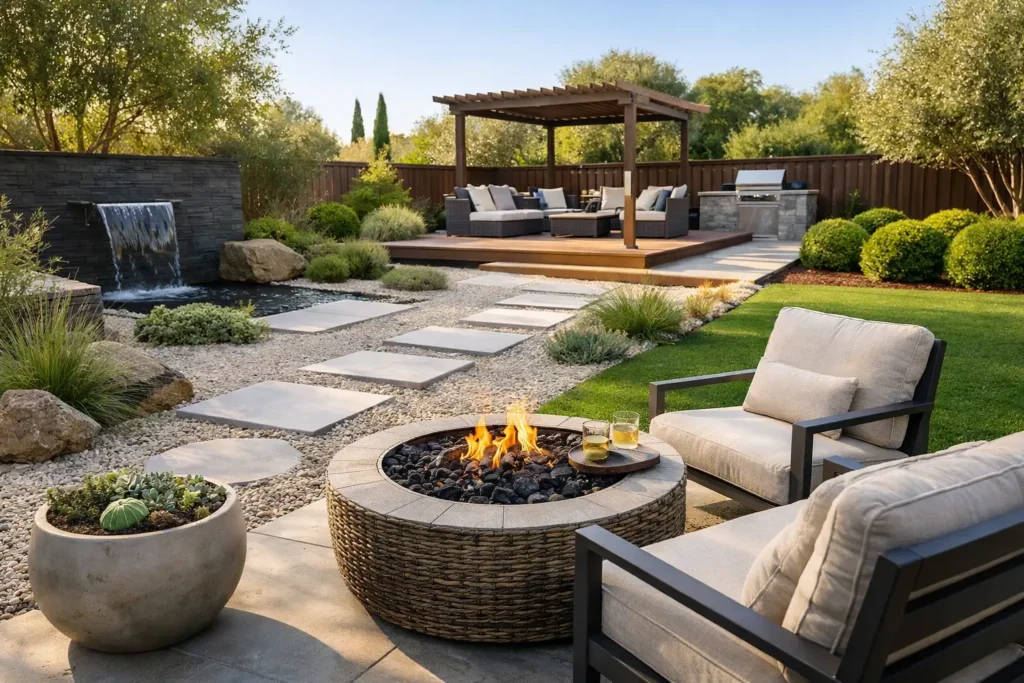
The strongest low maintenance backyards do not strip everything back. They balance appearance, durability and usability so the space still feels welcoming. That might mean artificial grass paired with feature planting, a deck connected to a paved entertaining area, or a simple irrigation system supporting a carefully selected native garden.
For property owners around Melbourne, it pays to think long term. Materials, plant choices and construction quality all affect how much time and money the backyard will need in the years ahead. Done properly, low maintenance landscaping is not a compromise. It is a smarter way to build an outdoor space that looks good, performs well and gives you your weekends back.
If your current backyard is costing too much time for too little reward, start by looking at what creates the most work now. The right changes do not need to be flashy. They just need to make the space easier to live with and better to use.