A tired lawn, cracked paths and garden beds that need constant attention can make an otherwise well-kept property feel unfinished. Well-planned property landscape upgrades change that impression quickly, but their real value goes beyond appearance. The right combination of hardscaping, planting, drainage and outdoor living areas can make a home easier to enjoy, a commercial site more welcoming and an industrial property more presentable and practical.
The strongest results come from improving the way the whole outdoor area works, rather than adding isolated features. A new deck may be a priority for one household, while a property manager may need low-maintenance planting, safer footpaths and reliable irrigation. The best scope depends on the property, how it is used and how much ongoing upkeep is realistic.
Start Property Landscape Upgrades With a Clear Purpose
Before choosing pavers, turf or plants, identify the job the landscape needs to do. For a front yard, this may be improving kerb appeal, providing a clear entry and reducing weekend maintenance. In a backyard, it may mean creating usable space for family meals, entertaining or children at play. Commercial and industrial sites often need durable surfaces, safe access and a polished first impression for staff, visitors and customers.
This early planning prevents a common mistake: spending heavily on a feature that does not solve the main problem. A beautiful garden bed will not fix poor drainage. Fresh turf will struggle if the soil has not been prepared properly. Likewise, a deck that looks right on paper can feel too small if it does not allow enough room for outdoor furniture, circulation and access to the house.
A site assessment should consider sunlight, slope, soil condition, existing drainage, access for machinery and the condition of fences, paths and retaining structures. Melbourne’s weather can move from dry heat to heavy rain quickly, so materials and planting need to cope with both conditions. Good landscape design accounts for that from the outset.
Put Drainage and Levels Before Surface Finishes
Drainage is rarely the most exciting part of a landscape upgrade, yet it is one of the most valuable. Water pooling beside a home, running across a driveway or washing soil from garden beds can create ongoing maintenance issues and may affect surrounding structures.
Correcting levels, installing appropriate drainage and directing water away from buildings should happen before new turf, paving or planting is installed. On sloping blocks, retaining walls may also be needed to create level areas and hold soil securely. A properly designed retaining wall can turn an awkward gradient into usable garden space, a lawn area or a safer path between different levels.
The material choice matters. Timber can suit certain residential settings, while concrete sleeper or masonry retaining walls may be better suited to larger loads, tighter spaces or long-term durability. The right answer depends on height, soil pressure, drainage requirements and the look of the property. Cutting corners on footings or drainage behind a retaining wall can lead to movement and costly repairs later.
Choose Hardscaping That Earns Its Place
Hardscaping gives an outdoor area structure. Paths guide people through the site, paving defines entertaining zones, decking extends living space and concrete surfaces provide durable access where vehicles or frequent foot traffic are expected.
For homes, decking can create a warm and functional connection between indoor and outdoor areas. It is particularly effective where a raised floor level makes paving less practical. However, decking needs thoughtful detailing around drainage, ventilation and access beneath the structure. Material selection also affects maintenance. Some homeowners prefer the natural character of timber, while others prioritise the lower upkeep of composite options.
Concrete is a practical choice for driveways, side paths, bin areas and commercial accessways. A quality finish can be simple and understated or designed to complement the property through exposed aggregate, coloured concrete or carefully placed joints. The priority is a stable base, correct fall and a finish suited to the expected traffic.
Paving works well for courtyards, entry paths and entertaining spaces, particularly when the layout creates clear zones without making the yard feel overbuilt. Avoid selecting a surface purely because it looks good in a showroom. Consider slip resistance, heat retention, cleaning needs and whether it will suit the surrounding architecture.
Build a Landscape That Is Realistic to Maintain
A landscape should look good after installation and remain manageable months and years later. That is why low-maintenance does not mean filling every corner with artificial grass or hard surfaces. It means selecting elements that suit the owner’s available time, budget and expectations.
Artificial grass can be an excellent option for shaded areas, compact backyards, rental properties and high-use spaces where natural turf repeatedly struggles. It provides a consistently tidy appearance without mowing, but it still requires occasional cleaning, brushing and good base preparation. It may not be the right fit for every large open area, especially where homeowners enjoy the feel and cooling effect of natural lawn.
Natural turf remains a strong choice where there is adequate sunlight, suitable soil and a willingness to water and mow as required. Selecting the right variety for the site is essential. A lawn area that receives intense sun has different needs from one that sits beneath established trees or between closely built homes.
Planting should be equally practical. Choose plants based on mature size, sunlight, soil and water needs, not just how they look on installation day. Grouping plants with similar requirements makes irrigation more efficient and helps gardens establish well. Mulch, healthy soil and sensible spacing can reduce weeds and conserve moisture through warmer periods.
Use Irrigation Carefully, Not Excessively
An irrigation system helps gardens and lawns perform more reliably, especially during dry Melbourne summers. It should support the landscape rather than encourage waste. Zoned irrigation allows turf, shrubs and garden beds to receive water according to their needs, while well-placed drippers can reduce evaporation and overspray.
Smart controllers and seasonal adjustments are useful, but no system replaces sound judgement. Rainfall, plant growth and changing weather all affect how much water a garden actually needs. Regular checks for leaks, blocked heads and damaged lines protect both the landscape and the water bill.
Improve Street Appeal Without Overcapitalising
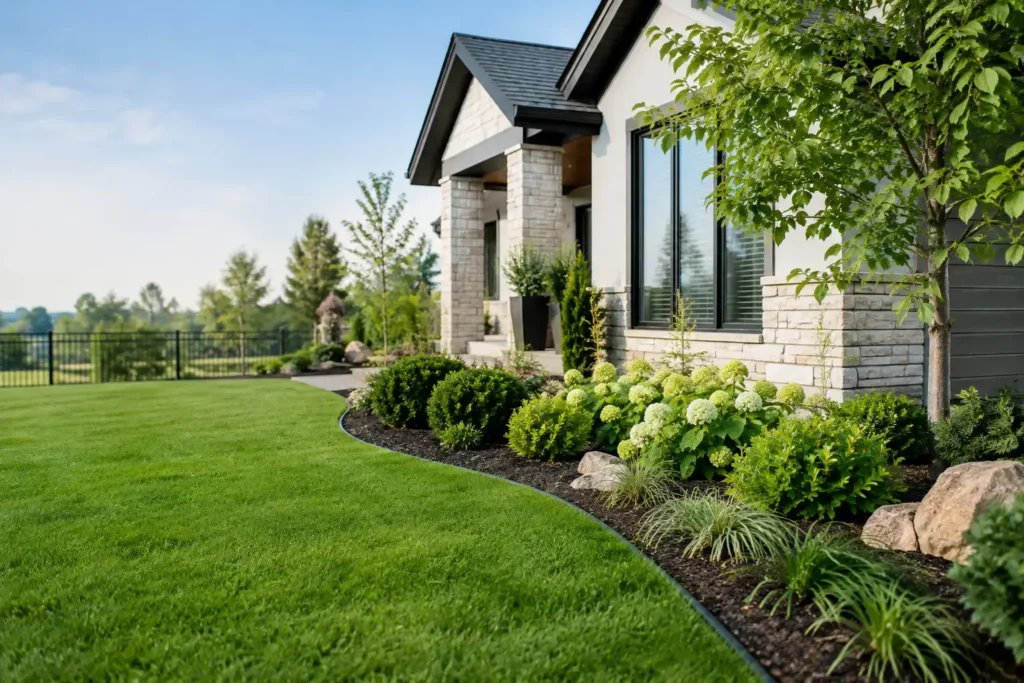
Front-yard improvements can have an immediate effect on how a property is perceived. A clean entry path, defined garden borders, healthy lawn or turf, simple lighting and well-chosen planting can make a home feel cared for before anyone reaches the front door. For businesses, these details communicate professionalism and help visitors navigate the site with confidence.
The key is proportionality. A highly elaborate front garden may not suit a modest home, while sparse planting around a large commercial building can feel uninviting. Work with the building’s scale, the streetscape and the likely level of maintenance. Often, a restrained design with strong materials and healthy planting produces a better result than too many competing features.
For investment properties or properties being prepared for sale, focus on upgrades that present well and reduce future work. Repairing damaged edging, refreshing garden beds, replacing patchy lawn and improving access can deliver more practical value than a complex garden requiring specialist upkeep.
Coordinate the Work Through One Practical Plan
Landscape projects often involve several trades: excavation, concreting, carpentry, retaining walls, irrigation, turf installation and planting. When these elements are planned separately, the result can be delays, repeated site work and mismatched finishes. A coordinated approach keeps the sequence logical, from site preparation and drainage through to construction, planting and final clean-up.
This is particularly useful for property owners who do not have time to manage multiple contractors. Australian Landscape Hub brings design, construction and maintenance considerations together, helping Melbourne property owners make decisions that suit the site and the intended budget.
A detailed quote should explain the proposed materials, site preparation, drainage work, inclusions and any factors that could affect the final scope. The cheapest estimate is not always the most economical choice if it excludes base preparation, disposal, access allowances or the finish needed for long-term performance.
The most worthwhile landscape upgrade is one that makes your property easier to use every day. Start with the problems that need solving, choose materials that suit local conditions and build each stage around a clear long-term plan. The finished space will look better, work harder and stay that way with far less effort.