A backyard can look finished on the day a new deck or lawn goes in, then become frustrating after the first wet winter or hot January. Water pools beside the house, plants struggle in exposed spots, and the entertaining area feels too small once furniture is in place. Good landscape design prevents these expensive surprises by planning how the whole outdoor area will work before construction begins.
For Melbourne property owners, that means designing for changing weather, varied soil conditions, real family routines and the level of maintenance you are genuinely prepared to take on. The goal is not to fill every corner with features. It is to create an outdoor space that looks considered, performs well and adds lasting value to the property.
What landscape design should solve
A successful garden is more than a collection of attractive materials. It needs to manage movement, water, privacy, shade and everyday use in a way that feels natural. The front yard may need stronger street appeal and a clear path to the entry. A backyard may need room for children, pets, dining, storage and planting without becoming crowded.
Commercial and industrial sites have a different brief. Landscaping often needs to improve presentation at the entrance, define pedestrian routes, soften hard surfaces and remain tidy with limited ongoing attention. Planting also needs to cope with reflected heat, vehicle activity and compacted soil. In every setting, design decisions should be based on the site rather than copied from a display home or social media image.
The most useful design process starts with practical questions. Where does water run after heavy rain? Which parts of the yard receive harsh afternoon sun? Is there a view worth framing, or a neighbour’s window that needs screening? How will people move from the driveway to the front door, or from the kitchen to the outdoor dining area? These details shape the plan long before plant varieties or paver colours are selected.
Start with the site, not the wish list
Every property has constraints, and those constraints often point towards the right solution. A sloping block may need retaining walls to create usable levels and protect surrounding areas from soil movement. A narrow side yard may be better suited to a durable path, drainage solution and simple screening than a garden bed that is difficult to access and maintain.
Site assessment should consider levels, existing structures, services, drainage, soil quality, access for machinery and the condition of established trees. It also helps identify what can be retained. A mature tree may provide valuable summer shade, while an old concrete slab could potentially be incorporated into a new outdoor zone if it is structurally sound. Keeping useful elements can reduce waste and project costs, but only when they support the finished layout.
Drainage deserves particular attention in Melbourne gardens. Heavy rain can expose poor falls, undersized drains and garden beds that direct water towards buildings. Surface drainage, permeable areas, appropriate soil preparation and correctly positioned lawn all work together. Adding plants without addressing water movement is a short-term cosmetic fix, not a complete landscape solution.
Designing for sun, shade and wind
Sun patterns change throughout the year, so a space that feels pleasant in autumn can be uncomfortable in peak summer. West-facing entertaining areas often need practical shade solutions, while south-facing garden zones may require plant choices that tolerate lower light and slower drying conditions.
Wind is another factor that is easy to overlook. Exposed properties can benefit from layered screening, sturdy fencing or carefully selected planting rather than a single row of fast-growing plants. The best approach depends on the available room, desired privacy and how much maintenance is acceptable. Dense hedges can look excellent, but they need regular trimming and adequate soil space to stay healthy.
Build the layout around daily use
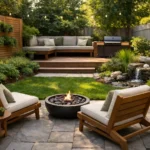
The strongest landscape designs create clear zones without making the yard feel divided. A deck or paved area can become the social hub, positioned close enough to the house for easy use but with enough space for seating, circulation and a barbecue. Lawns are best placed where they will actually be used, rather than installed simply because a backyard is expected to have one.
For families, this may mean a visible play area near the main living room and durable paths that keep muddy feet out of the house. For homeowners focused on entertaining, the priority may be a level dining space, lighting, privacy and a direct connection to the kitchen. Low-maintenance gardens often benefit from defined garden beds, automated irrigation, durable surfaces and fewer plant varieties repeated with purpose.
Material selection should follow how the area will be used. Timber decking brings warmth and works well for raised or uneven areas, although it needs periodic care. Concrete is durable, versatile and suited to paths, driveways and entertaining areas, but its finish, drainage falls and surrounding planting should be planned carefully. Artificial grass can provide a clean, green appearance in high-use or low-sun locations, while natural turf offers a softer feel and can help cool the garden when the right variety and maintenance plan are chosen.
There is no single best material. The right choice balances appearance, budget, lifespan, drainage, maintenance and the way the property is used.
Landscape design that connects hard and soft elements
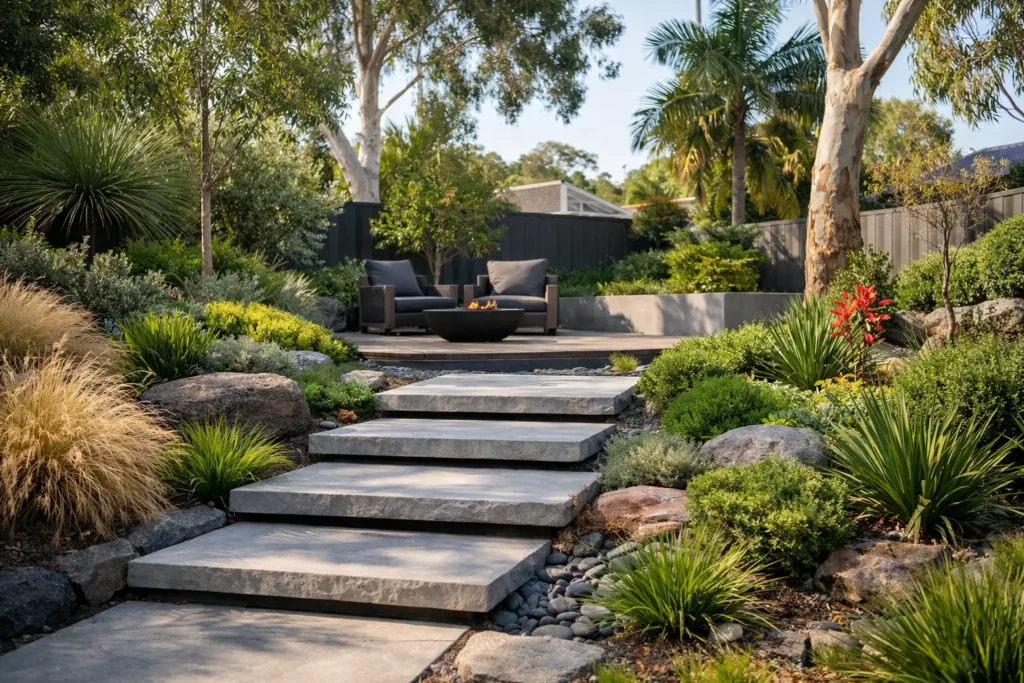
Hardscaping gives a garden its structure. It includes decking, paving, concrete, retaining walls, edging, paths and built features. Soft landscaping brings that structure to life through turf, soil improvement, planting, mulch and trees. When these elements are designed separately, the result can feel disconnected: a new patio with nowhere comfortable to step into the garden, or planting that eventually spills over a path.
A cohesive plan considers the relationship between them from the beginning. Retaining walls may double as seating edges. A path can lead the eye towards a feature tree. Garden beds can soften the boundary of a concrete area while leaving room for cleaning and access. Even practical elements such as taps, bins, clotheslines and air-conditioning units need a place in the layout.
Plant selection should be based on mature size, not just how plants look when purchased. Spacing young plants too tightly may create an instant effect, but it can lead to overcrowding, poor airflow and more pruning within a few seasons. A well-planned planting palette uses texture, foliage colour, flowering periods and evergreen structure to create interest across the year.
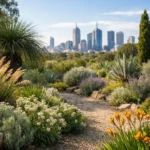
Native and drought-tolerant plants can be excellent options for Australian conditions, particularly where water use and maintenance are priorities. However, not every native suits every site, and water-wise planting still needs correct soil preparation and establishment watering. Sustainability comes from making suitable, long-lasting choices, not from using one style of planting everywhere.
Plan the budget in the right order
Landscape projects can be staged, but the master plan should come first. It is common to install a new lawn or garden bed, then later discover that excavation for a retaining wall, deck or irrigation system requires it to be removed. Planning the finished outcome allows works to be completed in a logical order and protects the investment.
Generally, drainage, excavation, retaining walls and structural works should be addressed before finishes such as turf, mulch and decorative planting. Irrigation sleeves and electrical conduits are also easier and more affordable to install before concrete, decking or paving is completed.
If the budget does not cover the full project immediately, prioritise the work that protects the property and establishes the layout. This might include levels, drainage, access paths, retaining and the main entertaining area. Planting can often be expanded over time, provided the garden beds, irrigation and soil preparation are already considered.
A detailed quote should clearly show the scope of work, materials, allowances and any assumptions about site conditions. The lowest price is not always the best value if it leaves out drainage, proper base preparation, soil works or finishing details that determine how the landscape performs over time.
Why one coordinated team makes a difference
Landscape projects involve several trades and stages, from design and excavation through to hardscaping, turf, planting and irrigation. Coordinating separate contractors can work on simple jobs, but it can also create delays and unclear responsibility when one element affects another.
A full-service team can assess the site as a whole, sequence the work properly and keep the finished result aligned with the original plan. Australian Landscape Hub brings more than 20 years of hands-on experience across design, construction and ongoing garden care, helping Melbourne clients move from an initial idea to a usable outdoor space with one clear point of contact.
The value is not only convenience. It is consistency in levels, materials, plant choices and workmanship. It also makes future maintenance easier when the people caring for the garden understand how it was built and why particular decisions were made.
A finished garden should feel easy to use
The best outdoor spaces rarely rely on one dramatic feature. They work because the path is where you need it, the drainage does its job, the plants suit their position and the maintenance matches the owner’s lifestyle. Those are the details that make a garden enjoyable long after the construction equipment has left.
Before choosing a surface, plant or feature, consider how it will perform through a Melbourne summer, a wet winter and the ordinary routines of the people using the property. A thoughtful plan turns that answer into a landscape that continues to earn its place every day.