
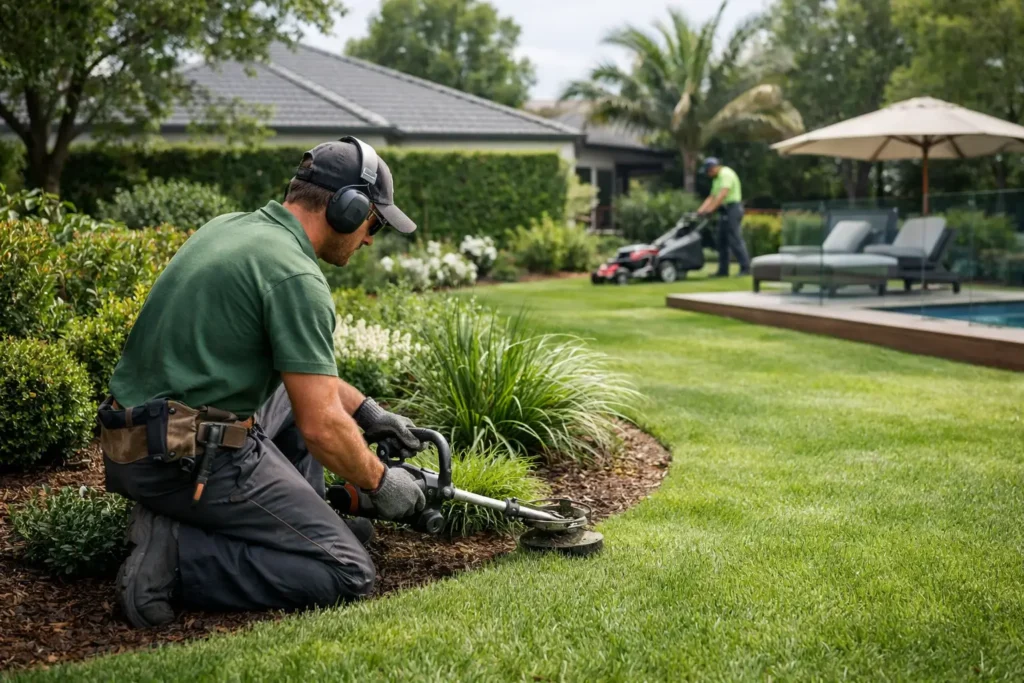
A garden in Melbourne can look tidy in September, overgrown by December, and tired again by the end of summer if it is not maintained with the local conditions in mind. That is why garden maintenance Melbourne property owners invest in needs to be more than occasional mowing or a quick hedge trim. It needs to be planned, practical, and suited to the way Melbourne gardens actually grow.
For homeowners, that usually means protecting street appeal, keeping outdoor areas usable, and avoiding the slow slide into a job that feels too big to catch up on. For commercial and industrial sites, it is about presentation, safety, access, and making sure the landscape reflects the standard of the business. In both cases, good maintenance saves money over time because small problems are handled before they become expensive replacements.
What garden maintenance in Melbourne really involves
A well-kept garden is built on consistency. Lawns need cutting at the right height, not just whenever they start to look untidy. Plants need pruning based on their growth habit, not all hacked back the same way. Irrigation needs checking before dry weather causes stress, and garden beds need ongoing attention so weeds, pests, and compacted soil do not take over.
That is where many properties fall behind. Maintenance gets treated as a simple tidy-up when it is actually a mix of horticultural care, seasonal timing, and practical site management. The right approach depends on the size of the property, the type of landscape, how much sun and wind it gets, and whether the priority is low upkeep, polished presentation, or long-term plant health.
Melbourne makes this more complicated than many people expect. Conditions can shift quickly. A week of rain can push growth hard, then a stretch of dry heat can put lawns and soft plantings under pressure. If your garden includes natural turf, decking, retaining walls, irrigation, feature planting, and hard surfaces, every part of the space needs a slightly different maintenance rhythm.
Why Melbourne gardens need a local approach
There is no single maintenance schedule that suits every property across Melbourne. A compact front garden in an established suburb has very different needs from a larger block on the city fringe or a commercial site with high foot traffic. Soil conditions vary, drainage varies, and the plant palette varies as well.
Local knowledge matters because maintenance is not just about reacting to what you can see. It is about knowing what is likely to happen next. Some plants need shaping before growth gets leggy. Some lawns recover quickly from wear, while others need more careful feeding and watering. Some irrigation systems work well in theory but waste water in practice because they are poorly adjusted for the site.
This is also where sustainability stops being a buzzword and starts being useful. In Melbourne, smart garden maintenance often means choosing methods that reduce water waste, support healthy soil, and keep planting practical for the climate. Sometimes that means improving irrigation efficiency. Sometimes it means replacing high-maintenance problem areas with more durable landscaping solutions. The best result is not always the most demanding garden. Often, it is the one that looks sharp while asking less from the owner.
The most common maintenance issues property owners face
Overgrown gardens are the obvious problem, but they are rarely the only one. More often, the issue is that several smaller maintenance gaps build up at the same time. The lawn starts thinning in patches, shrubs lose their shape, weeds push through mulch, edges soften, and irrigation performance drops off. None of that looks serious on its own, yet together it drags down the entire space.
For residential clients, this usually shows up as a garden that no longer feels enjoyable. The backyard becomes harder to use, the front yard loses impact, and upkeep starts taking up weekends that people would rather spend elsewhere. For rental properties and managed sites, it can become a presentation issue very quickly. First impressions matter, and neglected landscaping suggests neglect in other areas too.
Commercial and industrial properties often have an extra layer of concern. Garden maintenance is tied to access, visibility, and safety. Paths need to stay clear. Trees and shrubs should not interfere with movement or signage. Hard surfaces need to remain neat and free of organic build-up. The landscape has to be durable, but it also has to present well to staff, customers, tenants, and visitors.
Garden maintenance Melbourne clients should expect from a professional team
Professional maintenance should not feel vague. Clients should know what is being looked after, how often it is being done, and what the priorities are for the site. At a minimum, that usually includes lawn care, edging, pruning, weeding, mulching, seasonal clean-ups, irrigation checks, and plant health monitoring.
The difference with an experienced team is that maintenance is not handled in isolation. If a garden bed keeps failing, there should be advice on why. If drainage is contributing to plant loss, that should be identified early. If the current layout is creating unnecessary upkeep, the solution may involve a landscape upgrade rather than more labour.
That broader view is especially valuable for properties with mixed landscaping elements. A site that combines soft landscaping with paving, concreting, retaining walls, artificial grass, natural turf, and timber features needs maintenance that protects the whole investment. One weak area can affect the look and function of everything around it.
When regular maintenance is better than occasional clean-ups
A one-off garden clean-up has its place. It can reset an overgrown property, prepare a home for sale, or bring a neglected site back under control. But if the goal is to keep a landscape healthy and attractive, regular maintenance almost always works better.
The reason is simple. Gardens respond to steady care. Light, timely pruning is better for most plants than aggressive cutting after months of unchecked growth. Routine lawn care creates a denser, healthier surface than sporadic mowing. Ongoing weeding is far easier and more cost-effective than clearing beds that have been left too long.
Regular maintenance also makes budgeting easier. Instead of facing bigger seasonal blowouts or emergency tidy-ups before inspections, owners can keep the property in good order year-round. That is often the smarter choice for body corporates, businesses, landlords, and busy homeowners who want predictable results.
Choosing the right maintenance plan for your property
The right plan depends on what you want from the garden. If presentation is the top priority, maintenance may need to be more frequent and detail-focused. If the aim is low upkeep, the conversation may need to include changes to planting, turf areas, or irrigation so the landscape becomes easier to manage.
It also depends on how the space is used. A family backyard with pets and active wear has different demands from a display-focused front garden. A retail frontage needs sharper presentation than a private side yard. An industrial site may prioritise durability and clearance over ornamental detail.
This is why a tailored approach matters. A good maintenance provider should look at the whole site, not just offer the same schedule to every client. Australian Landscape Hub works this way because better outcomes come from understanding the property first, then matching the maintenance to its layout, materials, and usage.
Signs your garden needs more than maintenance
Sometimes ongoing care is not the real fix. If certain areas always look tired, if the lawn struggles no matter what you do, or if the garden feels high-maintenance for very little visual return, the issue may be with the original design or material choices.
In those cases, maintenance should lead to better recommendations. That might mean replacing thirsty lawn areas, improving drainage, refreshing garden beds, updating irrigation, or introducing harder-wearing landscape elements that reduce future upkeep. A quality provider will not keep charging for temporary fixes when a better long-term solution is available.
That matters because maintenance should protect value, not just preserve appearances. A well-planned outdoor space is easier to maintain, more enjoyable to use, and more likely to perform well across Melbourne’s changing seasons.
What to look for in a garden maintenance provider
Reliability is the first thing. Gardens do not stay on hold when a contractor is inconsistent. Beyond that, look for experience across both soft landscaping and structural landscape elements, clear communication, and a service that can scale with your needs.
That last point is important. Many properties need more than gardening alone over time. They may need turf replacement, irrigation repairs, garden redesign work, edging improvements, retaining updates, or a fresh landscape plan. Working with one experienced team can make the process faster, clearer, and more cost-effective than managing multiple trades.
A good provider should also be realistic. Not every plant can be pushed to thrive in the wrong conditions, and not every garden can be made low-maintenance without some upfront changes. Honest advice is part of quality service.
If your outdoor space is starting to slip, the best time to act is before the small issues become a larger reset. The right maintenance does more than keep things neat – it keeps your garden usable, protects your investment, and helps the property present at its best every month of the year.