
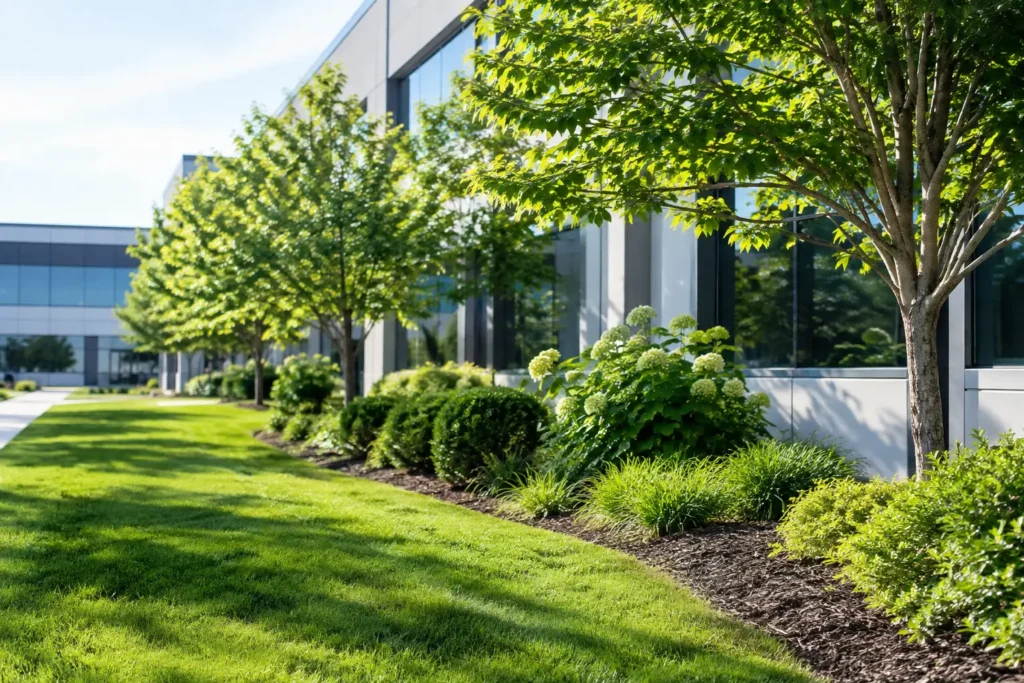
A tired entry garden, patchy turf or cracked pathway does more than make a property look neglected. It can affect how customers, tenants, staff and visitors judge the business before they walk through the door. To improve commercial landscaping effectively, start with the areas people use and see every day, then build a plan that balances presentation, safety, maintenance and Melbourne’s changing conditions.
Commercial sites need more than attractive planting. They need outdoor areas that can handle foot traffic, vehicle movement, hot summers, wet winters and the practical demands of a working property. The best upgrades are designed to keep looking good without creating an expensive maintenance burden.
Start With the Site’s Real-World Needs
Every commercial landscape has a job to do. A medical clinic may need a calm, welcoming arrival area with safe, clear access. A retail site may need street appeal that is visible from the road. An industrial property may prioritise durable boundaries, stormwater control and low-maintenance planting around hardstand areas.
Before choosing plants or materials, assess how people and vehicles move around the site. Look at entry points, car parks, footpaths, loading areas, outdoor staff spaces, bins, signage and building access. Notice where water pools after rain, where turf struggles, and which areas look untidy from the street.
This early assessment prevents a common mistake: spending the budget on decorative features while overlooking drainage, access or worn-out surfaces. A landscape can look impressive on completion, but if it does not suit daily use, it will not stay that way.
Prioritise the First Impression Zone
For most businesses, the frontage delivers the strongest return on landscaping spend. This includes the boundary, signage area, main path, entry garden and visible sections of the car park. Neat edges, healthy plants and clean hardscaping create an immediate sense of care and professionalism.
That does not mean every square metre needs to be heavily planted. In fact, a restrained design often looks more professional. Defined garden beds, quality mulch, layered planting and a well-finished path can have more impact than a crowded mix of plants that becomes difficult to maintain.
Improve Commercial Landscaping With Durable Surfaces
Hardscaping is the framework of a commercial outdoor area. Paths, concrete, retaining walls, edging, decks and paved spaces need to be selected for the amount of traffic they will receive, not simply for their appearance on day one.
Concrete is often a practical choice for high-use walkways, access zones and outdoor work areas. It is durable, easy to clean and can be finished to complement the building. Where levels change across a site, properly constructed retaining walls can create usable planting zones while helping manage soil movement and drainage.
Slip resistance is especially important near entrances, ramps, shaded paths and areas exposed to irrigation. Uneven paving, loose gravel and damaged edging can create trip hazards, which may lead to complaints, maintenance costs and avoidable risk. A quality build considers grades, drainage points and transitions between surfaces from the beginning.
Materials should also suit the property’s character. A corporate office may benefit from clean lines and structured planting, while a hospitality venue may need warmer materials and inviting outdoor seating. Industrial sites generally need simpler finishes that stand up to wear. The right choice depends on the site, its users and the level of upkeep available.
Choose Plants That Work Hard in Melbourne Conditions
Commercial planting should be selected for resilience first and appearance second. Plants that require constant watering, pruning or replacement can quickly turn a fresh landscape into an ongoing cost. A tailored plant palette helps keep the site presentable through dry spells, heat, wind and seasonal rain.
Native and drought-tolerant species are often a smart choice for Melbourne properties, particularly when paired with healthy soil preparation, mulch and efficient irrigation. They can reduce water demand and establish well when planted in the right location. However, native does not automatically mean maintenance-free. Every plant still needs suitable light, drainage, spacing and early care to establish properly.
Use a mix of groundcovers, small shrubs and feature plants rather than relying on one species throughout. This adds texture and visual interest while reducing the impact if a particular plant struggles. Keep taller planting away from driveways, signs and security-sensitive areas, where it could obstruct sightlines.
Artificial grass can be a useful alternative in spaces where natural turf repeatedly fails or where an always-green appearance is a priority. It works well in selected entry areas, display zones and low-use courtyards. Natural turf may be the better choice for staff recreation areas or sites where cooling, drainage and a softer natural finish matter most. The decision should reflect how the area will actually be used.
Make Water Management Part of the Design
Water is one of the biggest influences on commercial landscape performance. Poor drainage can damage garden beds, undermine paths, create muddy access areas and make a property look neglected. On the other hand, excessive irrigation wastes water and can encourage shallow roots or disease.
A practical design directs water away from buildings and high-traffic areas while allowing gardens to drain correctly. This may involve adjusting levels, installing drainage, improving soil or using retaining solutions where needed. The best approach depends on the existing site levels and where runoff currently collects.
Irrigation should be zoned according to plant needs. Turf, newly planted garden beds and established drought-tolerant areas should not all receive the same watering schedule. A properly designed irrigation system gives property managers more control, reduces manual watering and helps protect the investment during dry periods.
Mulch also plays a valuable role. It helps retain moisture, suppress weeds and gives garden beds a finished appearance. It needs topping up over time, but it is one of the simplest ways to support plant health and reduce maintenance pressure.
Design for Easier Maintenance, Not Just Opening Day
A commercial landscape should be easy for a maintenance team to access and manage. Garden beds that are too narrow, plants packed too closely together and lawns with awkward corners all take longer to maintain. Those extra hours add up over the life of the property.
Leave practical access around planting areas, air-conditioning units, fences and service zones. Choose edging that separates turf from garden beds cleanly, and allow enough room for plants to reach their mature size. This reduces repeated pruning and keeps paths clear.
Maintenance is not an afterthought. It is what protects the value of the original works. Regular mowing, pruning, weeding, mulching, irrigation checks and litter removal keep the site safe and presentable. Frequency will vary. A customer-facing retail frontage may need attention weekly, while a lower-profile industrial boundary may only require scheduled seasonal work.
Use a Staged Plan When Budget Is Limited
Not every property needs a complete rebuild at once. A staged landscaping plan can improve the most visible and urgent areas first, then extend works as budget allows. The key is to start with a cohesive design direction so later stages look intentional rather than pieced together.
Begin with safety concerns, drainage issues and damaged surfaces. Next, improve the main entry and street-facing areas. After that, consider staff outdoor spaces, secondary gardens, screening and feature elements. This order protects the property while delivering visible improvements early.
Working with one experienced provider can make staging easier, particularly when design, hardscaping, irrigation, turf and planting need to work together. Australian Landscape Hub helps Melbourne commercial clients move from site assessment through to construction and ongoing upkeep, with solutions shaped around the property’s priorities.
Measure the Result Beyond Appearance
A successful commercial landscape should look better, but it should also function better. Signs of a worthwhile upgrade include safer pedestrian access, less standing water, healthier planting, improved visibility, lower water waste and fewer reactive maintenance jobs.
Ask staff, tenants or site managers where the outdoor area causes frustration. Their feedback can reveal issues that are not obvious during a quick inspection, such as poor shade, muddy shortcuts, inadequate seating or paths that become slippery after rain. These details are often where a landscape project delivers its most practical value.
The strongest commercial landscapes are not the ones with the most features. They are the ones that make a property feel cared for, work reliably every day and remain manageable long after the construction crew has left. Start with the area your visitors see first, address the issues that cost time and money, and build from there with materials and planting that are ready for the conditions.