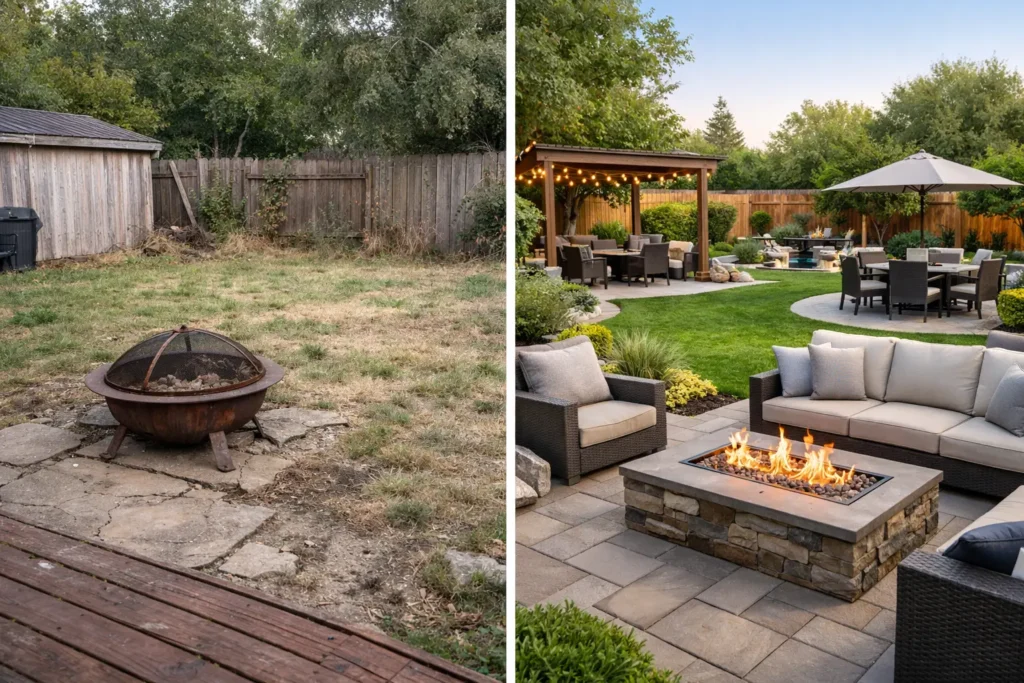
A successful backyard makeover before and after project is not just about replacing patchy grass or adding a few new plants. The real transformation happens when every part of the yard works together: the layout, drainage, surfaces, planting, shade and the way your household actually spends time outdoors. A polished result should look impressive on day one and remain practical through Melbourne’s hot summers, wet winters and busy weekends.
For some properties, the before picture is an uneven lawn, bare fence lines and a patio that is too small to use properly. For others, the issue is a garden that has become difficult to maintain, with tired paving, overgrown shrubs and no clear connection between the home and the outdoors. The after picture should solve those problems rather than simply hide them.
Start With the Problems Behind the Before Picture
Before choosing decking boards, pavers or plants, take an honest look at how the backyard performs. Water pooling near the house, a sloping block, compacted soil and poor access can all affect the final design and budget. These are not the most glamorous parts of a makeover, but addressing them early protects the work that follows.
Think about the space in zones. You may need a durable entertaining area beside the house, an open lawn for children or pets, screening from neighbouring properties and garden beds that soften hard edges. A compact courtyard may benefit from built-in seating and vertical planting, while a larger block can accommodate separate dining, play and relaxation areas without feeling crowded.
It also helps to identify what is worth keeping. A mature shade tree, sound concrete slab or established feature plant can reduce costs and give the new landscape a sense of maturity. On the other hand, retaining an unsuitable tree or poorly installed paving simply because it is already there can limit the whole project.
Build a Clear Project Brief
A good brief keeps decisions focused when there are many materials and finishes to consider. It should cover four practical points:
- how the space will be used on an ordinary week and when entertaining
- the level of ongoing maintenance you are prepared to manage
- privacy, sun and drainage issues that need to be resolved
- a realistic investment range, including site preparation and finishing details
This is where a professional landscape consultation adds value. Rather than coordinating separate trades for excavation, retaining walls, concreting, turf, irrigation and planting, homeowners can work from one coordinated plan. That reduces delays and helps ensure each element is built to suit the next.
Backyard Makeover Before and After: The Changes That Matter Most
The most convincing transformations usually begin with the ground plane. Replacing cracked concrete, unstable pavers or muddy lawn edges with properly prepared hardscaping gives the backyard structure. A new deck can extend indoor living outside, while concrete or paved paths make wet-weather access safer and easier to maintain.
Material choice depends on use and exposure. Timber decking creates warmth and works well around entertaining areas, but it needs periodic care. Composite options can lower maintenance, although their appearance and cost may not suit every home. Concrete is durable and adaptable, particularly for paths, patios and high-traffic zones, while paving offers more pattern and character but requires a sound base to prevent movement over time.
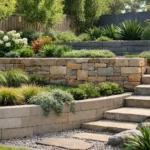
Retaining walls are another change with a major visual and functional impact. On a sloping yard, they can create level areas for seating, lawn or planting while controlling soil movement. They must be designed for the site, with drainage considered from the start. A retaining wall that looks neat but traps water behind it is not a long-term solution.
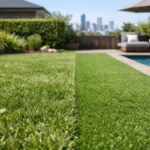
Once the hard surfaces are in place, turf and planting bring the space to life. Natural lawn offers a soft, cooler surface and suits households that enjoy gardening and can support its watering and mowing needs. Artificial grass provides a consistently tidy finish with less ongoing upkeep, making it a practical choice for shaded areas, rental properties, small spaces and busy families. It does, however, need professional base preparation and can become warmer in full sun.
The best planting plans use layers rather than a row of the same shrub against every fence. Groundcovers, low shrubs, screening plants and small feature trees add depth while giving each area a purpose. In Melbourne gardens, choosing plants suited to local conditions can reduce water use and improve resilience during hot, dry periods. Drip irrigation helps establish plants efficiently and avoids the waste that often comes with hand watering.
Design for Use, Not Just the Reveal Photo
A backyard can look excellent in a before-and-after photo and still be frustrating to use. The difference is in the details. Is there enough room to pull dining chairs out? Can bins and gardening equipment be stored out of sight? Does the path lead somewhere useful? Is there a shaded spot for the afternoon sun?
For families, durable lawn edges, non-slip surfaces and clear sightlines from the house are often more valuable than delicate garden features. For entertaining, the priority may be a level dining area, convenient access from the kitchen and lighting that makes the space welcoming after dark. Commercial and strata properties need a different approach again, with hard-wearing materials, safe access and planting that remains presentable with planned maintenance.
Privacy also needs more thought than a quick hedge along the boundary. Screens, slatted fencing, layered planting and pergola structures can all provide separation. The right option depends on available space, desired height, local requirements and how quickly privacy is needed. Fast-growing plants offer earlier coverage, but they may require more pruning than slower, more controlled species.
Plan for Drainage Before Finishes Go Down
Drainage is easy to overlook when the focus is on new surfaces and greenery. Yet it is one of the biggest reasons a makeover either lasts or develops problems within a few seasons. Finished levels should direct water away from buildings, paths need appropriate falls, and garden beds should not create damp areas against walls.
On some blocks, drainage may require ag drains, gravel layers or changes to the way water is collected and directed. These measures are best installed during excavation, not added as an expensive correction after decking, turf or paving has been completed. A well-built backyard should be ready for heavy rain as well as a sunny Saturday afternoon.
Avoid the Shortcuts That Date a New Backyard Quickly
A cheap surface laid over an unstable base can crack, sink or shift. Plants selected only for their appearance at the nursery can outgrow the area, struggle with heat or demand more water than expected. Overfilling every corner with features can make a backyard feel smaller, especially on suburban blocks.
There is also a temptation to complete the project in disconnected stages without an overall plan. Installing a deck first, then discovering there is no route for drainage or irrigation, can lead to rework. A staged build can be sensible when budget requires it, but the final layout, levels and service locations should be considered from the beginning.
Quality workmanship is particularly important where materials meet. Clean transitions between lawn, garden beds, paving and decking make a landscape feel intentional. Proper edging keeps turf from creeping into beds, carefully finished steps improve safety, and well-positioned lighting adds useful visibility without turning the yard into a floodlit space.
Give the After Picture a Future
Every new backyard needs a maintenance plan, even one designed for low upkeep. Natural turf needs seasonal attention, garden beds benefit from mulch and pruning, and decks should be inspected and cleaned according to their material. Irrigation should be checked as plants mature, because a system that worked for young plants may need adjustment once roots are established.
The goal is not to create a backyard that demands constant work. It is to build one where maintenance is predictable and manageable. Australian Landscape Hub approaches each project with that balance in mind, combining functional construction with planting and finishes suited to the way Melbourne property owners live.
When you look at a finished backyard, the best result should feel obvious: more usable space, clearer purpose and fewer problems to manage. Start with how you want the yard to work, then let a considered design turn that vision into an after picture that still performs years from now.