A well-built landscape can lose its impact surprisingly quickly when lawns become thin, garden beds fill with weeds and plants outgrow the space intended for them. Consistent garden maintenance protects the investment in your outdoor area, keeps a property looking cared for and helps prevent small issues becoming expensive repairs. For Melbourne homes, commercial sites and industrial properties, the goal is not constant work. It is a sensible routine that suits the site, the season and the level of presentation required.
Garden Maintenance Starts With a Clear Plan
Every property needs a different level of attention. A compact courtyard with artificial grass, paved areas and feature planting may only need periodic pruning, weeding and cleaning. A larger family garden with natural turf, hedges, established trees and irrigation needs more regular care. Commercial landscapes often require a predictable schedule because their condition affects how customers, tenants and visitors see the business.
Before setting a schedule, assess what is already in place. Look at the condition of the lawn, the health and spacing of plants, drainage around hard surfaces, mulch depth, irrigation coverage and areas that collect leaf litter. This gives you a practical baseline rather than treating every part of the garden in the same way.
It also helps to decide what the landscape needs to do. A front garden may be focused on kerb appeal, while a backyard needs to withstand children, pets and outdoor entertaining. At a commercial property, clear accessways, tidy planting and safe sightlines are usually as important as visual appeal. Maintenance works best when it protects those everyday functions.
Look After Lawns Without Overworking Them
A healthy lawn makes an immediate difference to a property, but mowing too low or watering at the wrong time can cause more harm than good. During warmer months, raise the mowing height slightly so grass retains moisture and develops stronger roots. Removing too much leaf in one cut can stress the lawn, especially during dry periods.
Mow often enough that clippings remain manageable, but adjust the frequency to growth rather than following the calendar blindly. Natural turf grows quickly in favourable spring conditions and slows through colder months. Wet ground can also be damaged by heavy mowing equipment, so it is better to wait for the lawn to dry where possible.
Water deeply and less frequently to encourage root growth. Early morning watering is generally more efficient than evening watering because foliage has time to dry, reducing the chance of fungal issues. The right frequency depends on soil type, shade, grass variety and rainfall. Sandy soil drains quickly, while heavy clay can hold water near the surface and may need slower, shorter irrigation cycles.
Artificial grass is lower maintenance, not maintenance-free. Remove leaves and debris, rinse spills promptly and brush high-traffic areas occasionally to keep fibres upright. Checking joins and edges from time to time can prevent minor movement turning into a larger repair.
Pruning Should Improve Plant Health, Not Just Make Things Neat
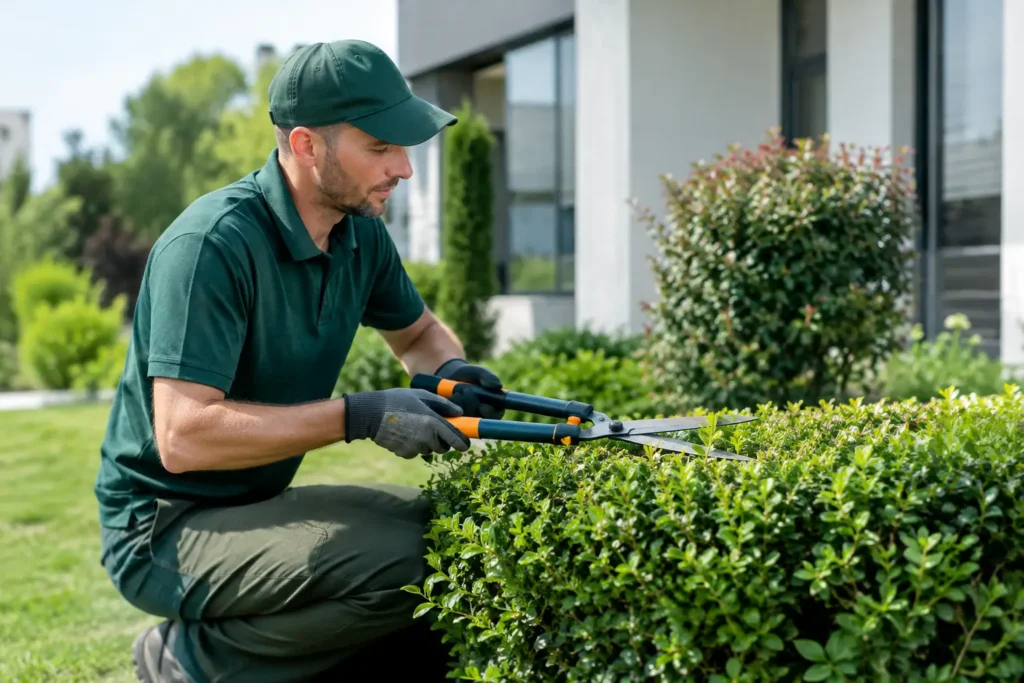
Overgrown shrubs can block paths, conceal windows, crowd smaller plants and make a garden feel smaller than it is. Regular pruning keeps plants within their intended shape and allows better light and airflow through the garden. However, cutting every plant back hard at the same time is rarely the best approach.
Flowering shrubs should be pruned according to when they bloom. Cutting at the wrong time may remove the next flush of flowers. Evergreen hedges benefit from light, regular trims that maintain density, while woody or leggy plants may need more selective pruning to encourage new growth. Dead, diseased or crossing branches should be removed promptly, particularly where they create a safety risk or rub against structures.
Trees need a more cautious approach. Removing low branches may improve access and visibility, but major cuts can affect tree health and stability. Large trees near homes, buildings, footpaths or car parks should be assessed carefully before work begins. This is one area where experienced advice is worth having, especially when safety and local requirements are involved.
Keep Weeds, Pests and Disease Under Control Early
Weeds are easier to manage before they seed, spread through garden beds or compete with new planting. Hand weeding after rain can be effective in small areas, while a well-maintained mulch layer helps suppress new growth and retain soil moisture. Mulch should be kept clear of plant stems and tree trunks, as piling it against them can trap moisture and encourage rot.
Pests and diseases are best managed by identifying the cause before reaching for a treatment. Yellowing leaves may indicate poor drainage, nutrient deficiency, heat stress or overwatering rather than an insect problem. Chewed foliage can be caused by caterpillars, snails, possums or other visitors, each requiring a different response.
A garden with suitable plant spacing, good drainage and sensible watering is generally more resilient. Replacing repeatedly failing plants with species better suited to the site is often more cost-effective than ongoing treatments. In Melbourne gardens, the difference between a sunny, exposed bed and a shaded area beside a fence can be significant, even within the same backyard.
Seasonal Garden Maintenance for Melbourne Conditions
Melbourne weather can change quickly, so maintenance needs to be responsive rather than rigid. Spring is the main growth period for many lawns and plants. It is a good time to refresh mulch, check irrigation, feed where required, manage weeds early and prepare garden beds for new planting.
Summer shifts the focus to water management. Check that sprinklers are reaching garden beds and lawn evenly, and look for runoff from compacted soil or sloping sites. Add organic matter and mulch where practical to improve moisture retention. Avoid heavy pruning or major planting during extreme heat, as plants are already under stress.
Autumn is useful for tidying, planting and restoring worn lawn areas while soil still holds warmth. Fallen leaves should be cleared from paths, drains and lawn surfaces, but healthy leaves can be composted or processed into mulch. It is also an ideal time to inspect retaining walls, paving and drainage before winter rain arrives.
Winter maintenance is quieter but still valuable. Prune suitable dormant plants, remove damaged branches, control winter weeds and inspect for drainage problems. Standing water, muddy access areas and overflowing gutters can affect both the garden and nearby structures. Addressing them early protects the property through the wetter months.
Do Not Forget Hard Surfaces and Irrigation
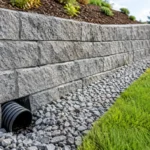
Garden care extends beyond plants. Decking, paving, concrete areas, retaining walls and pathways need periodic attention to stay safe and presentable. Sweep away leaf litter, moss and soil build-up before surfaces become slippery. Check pavers for movement, look for cracking around concrete and clear drainage grates so water has somewhere to go during heavy rain.
Irrigation is one of the most valuable systems to inspect regularly. A blocked nozzle, broken sprinkler head or leaking line can leave one area dry while wasting water elsewhere. Test zones, adjust spray patterns and update run times as seasons change. An irrigation system should support the landscape you have, not operate on a setting that was correct years ago.
For commercial and industrial properties, these checks also support site safety. Clear paths, controlled plant growth and functioning drainage reduce avoidable hazards while maintaining a professional appearance for staff and visitors.
When Professional Maintenance Makes Better Sense
Routine gardening is manageable for many property owners, but ongoing work can become difficult when time, equipment or site complexity is limited. Larger gardens, strata sites, rental portfolios and commercial premises benefit from scheduled maintenance because standards stay consistent and issues are picked up early.
Professional support is particularly useful when several services need to work together. A lawn problem may be linked to irrigation. A failing garden bed may need plant replacement, improved soil and drainage adjustments. A tired outdoor area may benefit from a broader refresh involving turf, edging, decking or retaining work rather than another round of short-term fixes.
Australian Landscape Hub provides tailored maintenance and landscaping support for properties across Melbourne’s north-west, with practical advice shaped by how each outdoor space is actually used. The right plan balances appearance, durability, water use and budget instead of applying the same treatment to every garden.
A garden should feel like an asset, not an endless weekend job. With regular attention to lawns, plants, water, surfaces and seasonal changes, your outdoor space can remain tidy, healthy and ready to enjoy throughout the year.