A convincing artificial lawn product review should not begin and end with a tidy sample held up in a showroom. Most synthetic turf looks good in a small square. The real test is how it performs across a sunny backyard, beside a pool, under commercial foot traffic, or through a wet Melbourne winter.
For property owners, the best choice is rarely the most expensive roll or the softest option at first touch. It is the product that suits the site, receives proper base preparation and continues to look presentable after years of use. That means looking beyond colour and comparing the construction details that determine comfort, drainage, durability and maintenance.
What a quality artificial lawn product should deliver
Artificial turf is a practical option for spaces where natural grass struggles, maintenance time is limited, or a consistently neat finish matters. It can suit compact courtyards, rental properties, shaded areas, display homes, play zones and commercial sites. However, not every product is designed for every purpose.
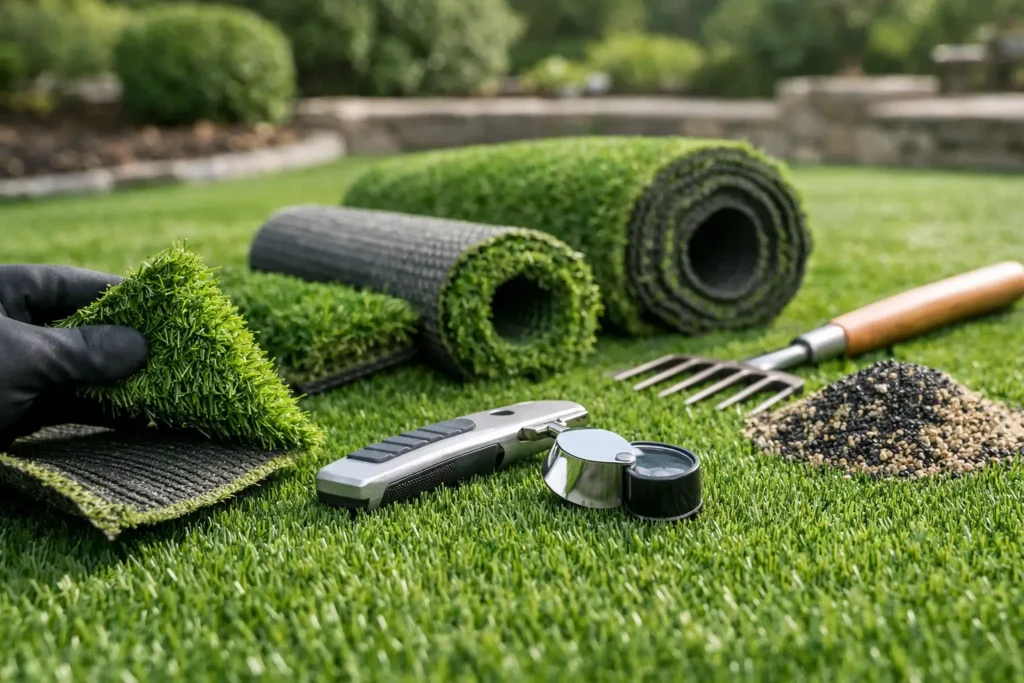
A good lawn should feel stable underfoot, drain freely and retain its colour in Australian sunshine. It should also have a natural blend of green tones rather than one flat, plastic-looking shade. Quality turf uses yarn fibres that spring back after use, a secure backing that holds its stitch pattern, and drainage holes positioned to move water into the prepared base below.
The installation matters just as much as the turf itself. Even a premium product can develop ripples, puddles or lifted edges if it is installed over an uneven or poorly compacted surface. Conversely, a well-matched mid-range turf installed on a properly prepared crushed-rock base can be an excellent long-term result.
Artificial lawn product review: the details worth comparing
When comparing samples and quotes, ask for more than a product name. The following specifications provide a clearer picture of what you are paying for and whether the turf suits your intended use.
Pile height and appearance
Pile height refers to the length of the synthetic blades. A shorter pile, often around 20 to 30 mm, creates a clean, trimmed appearance and is usually easier to brush and maintain. It works well for balconies, courtyards, putting-style areas and places with regular foot traffic.
A mid-to-longer pile, commonly 35 to 40 mm or more, can look fuller and softer in a family backyard. The trade-off is that longer fibres may flatten more noticeably in high-use paths and can require occasional brushing to restore their upright appearance. Taller is not automatically better. Choose a height that matches the look you want and the amount of use the lawn will receive.
Density, yarn shape and recovery
Density is one of the strongest indicators of how substantial a lawn will feel. Closely stitched fibres provide a fuller finish and better support, particularly in entertaining areas, children’s play spaces and commercial landscapes. Sparse turf may be cheaper initially, but it can expose the backing more quickly as fibres settle or wear.
Look at the yarn itself as well. Quality fibres are often shaped with a centre rib, W profile or other structured form that helps the blade stand upright. Softer fibres can be pleasant under bare feet, while firmer yarns may offer stronger recovery in busy areas. There is no single winner here: a low-traffic decorative lawn can prioritise softness, whereas a walkway or pet run needs resilience.
Backing strength and drainage
The backing is the foundation holding each fibre in place. It should be flexible enough to follow gentle contours but strong enough to resist stretching, tearing and stitch loss. A stable backing is particularly important around joins, curves and edges where installation tension is highest.
Drainage deserves close attention in Melbourne properties. Synthetic grass does not absorb water like soil, so water must pass through the turf and move away through the base. A free-draining product paired with correctly graded, compacted foundations helps prevent pooling after heavy rain. If a site has existing drainage issues, the answer is not simply to lay turf over the top. The fall, sub-base and any necessary drainage provisions need to be addressed first.
UV protection and colour blend
Australia’s UV exposure is unforgiving. Turf without dependable UV stabilisation can fade, dry out or become brittle long before it should. Ask about the product warranty, what it covers, and whether it applies to fading as well as manufacturing defects. A long warranty is reassuring, but the terms and the installer’s workmanship guarantee also matter.
For a more natural result, inspect the colour blend in daylight. The most realistic lawns combine several greens with a subtle brown or beige thatch layer near the base. This breaks up the uniform appearance of plastic blades and gives the lawn depth. Avoid choosing solely from an indoor sample, where colour and sheen can look very different from an outdoor installation.
Match the turf to the way the space is used
The right product changes according to the job. A quiet front garden does not need the same turf as a childcare play area or an office entry. Being clear about use before selecting a product helps avoid paying for features that are unnecessary, or choosing a lawn that will not cope with the conditions.
For family backyards, a dense 30 to 40 mm lawn is often a sensible balance of comfort, natural appearance and recovery. If children will use the area regularly, the prepared base should be smooth and stable, with secure edging and carefully finished joins. For pets, choose a turf with effective drainage, then plan for regular rinsing and cleaning. Artificial grass does not eliminate pet odours if waste and urine are left unmanaged.
Around pools, drainage and surface temperature are key considerations. Synthetic grass can become hot in direct summer sun, particularly darker or denser products. Shade, hose-down access and thoughtful placement can improve comfort. For commercial properties, a shorter, denser pile is often more practical because it maintains a neat presentation under regular pedestrian traffic and is simpler for maintenance teams to manage.
Installation is where product performance is won or lost
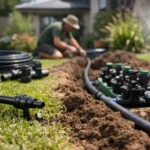
A professional installation starts with excavation to the required depth, removal of unsuitable material and the formation of a compacted base. The surface is then shaped to direct water appropriately, with edges secured to prevent movement. Turf sections are laid with the pile facing the same direction, joined accurately, trimmed cleanly and fixed around the perimeter.
This preparation is not optional labour added to inflate a quote. It is the work that prevents common problems such as uneven patches, visible seams, loose corners and standing water. Existing concrete, paving and difficult access can alter the method and cost, so an on-site assessment is more reliable than a price based only on square metres.
At Australian Landscape Hub, artificial turf is considered as part of the wider outdoor space. Edging, paving, garden beds, drainage and access all affect how the finished lawn looks and performs. Coordinating these elements through one experienced landscaping team can produce a cleaner, more durable result than treating the turf as an isolated surface.
The trade-offs to consider before buying
Artificial lawn reduces mowing, watering and fertilising, but it is not maintenance-free. Leaves, soil and organic debris should be removed before they build up. Brushing high-traffic areas helps lift compressed fibres, while occasional rinsing can remove dust and freshen pet areas. Weeds may still appear at edges or through drainage holes where wind-blown seeds settle, although they are usually far less demanding than weeds in natural turf.
Heat is another genuine consideration. On exposed western-facing sites, synthetic turf may be noticeably warmer than natural grass during hot weather. It is also not the best solution for every large, living garden where cooling, biodiversity and natural soil health are priorities. In those cases, natural turf, groundcovers, mulched planting and shaded zones may provide a better balance.
The most sustainable choice depends on the whole landscape. Artificial grass can reduce irrigation and chemical lawn inputs, while natural planting contributes habitat, cooling and water absorption. Many successful Melbourne gardens use both: artificial turf for a hard-wearing, low-maintenance activity area and real plants for softness, shade and seasonal character.
Questions to ask before approving a quote
Before committing, confirm the pile height, density, drainage design, UV warranty and intended application of the selected turf. Ask what base preparation is included, how joins and edges will be finished, and whether rubbish removal is part of the scope. If pets, heavy traffic or drainage concerns apply, raise them before installation rather than trying to solve them afterwards.
It is also worth viewing completed work, not just samples. Seeing a lawn after it has settled into a real outdoor setting gives you a more honest impression of colour, pile recovery and finishing quality.
A well-chosen artificial lawn should make the property easier to enjoy, not create a surface you need to worry about. Start with how the area will be used, select a product built for those conditions, and give equal weight to the groundwork beneath it. That is how synthetic turf becomes a lasting landscape improvement rather than a short-lived cosmetic upgrade.