A good landscape should still look considered after a hot week, heavy rain, busy weekends and years of use. That is the practical aim of this guide to sustainable landscaping in Australia: creating an outdoor space that uses fewer resources, suits local conditions and remains enjoyable without demanding constant work.
Sustainable landscaping is not about leaving a yard untidy or filling every garden bed with native plants. It is about making informed choices from the start. Soil, drainage, shade, irrigation, plant selection and hardscape materials all affect how much water, maintenance and replacement a landscape will need over time.
For Melbourne property owners and managers, the challenge is designing for changeable conditions. Dry summers, frosts, clay soils and sudden downpours can all place pressure on a poorly planned garden. A well-built landscape responds to those conditions rather than fighting them.
Start with the site, not the plant list
The most sustainable decision is often made before a single plant is chosen. Assess how water moves through the property, where afternoon heat lands, which areas receive winter shade and how people will actually use the space.
A sunny front garden may need hardy, drought-tolerant planting and deep mulch. A shaded side passage may need drainage improvements, permeable surfaces and plants that cope with lower light. For a commercial or industrial site, sightlines, pedestrian access, vehicle movement and safe maintenance access deserve the same attention as visual appeal.
Soil is especially important across Melbourne’s outer suburbs. Heavy clay can hold water in winter, then bake hard in summer. Sandy soil drains quickly but may struggle to retain moisture and nutrients. Improving soil with compost, organic matter and the right mulch can make plants more resilient, but it does not eliminate the need to select plants suited to the existing conditions.
Trying to force a thirsty, shade-loving plant into an exposed, dry position usually creates an ongoing maintenance bill. Designing around the site delivers better results with less intervention.
A guide to sustainable landscaping Australia can use water wisely
Water-wise landscaping does not mean a landscape without lawn, flowers or green space. It means putting water where it delivers the most value and reducing waste everywhere else.
Group plants with similar water needs together. This allows irrigation to be targeted rather than running across a mixed garden bed where some plants are overwatered while others are left dry. Drip irrigation and properly positioned sprinklers are generally more efficient than spraying paths, fences and hard surfaces.
An irrigation system should be designed around zones, soil type and plant maturity. New plants need more regular watering while roots establish. Once established, many suitable native and climate-adapted plants can be watered less frequently but more deeply. Shallow daily watering can encourage shallow roots, leaving plants more vulnerable during heat.
Rainwater tanks can be useful where roof catchment, budget and space allow. They are particularly valuable for topping up garden watering during dry periods, though the practical benefit depends on tank size and household water use. On some sites, improving soil and irrigation efficiency will provide a better return than installing a tank alone.
Water also needs somewhere safe to go during heavy rain. Permeable paving, gravel areas built on the correct base, swales and well-planned garden beds can slow runoff and reduce pooling. This protects paving, retaining walls and nearby structures while giving water more opportunity to soak into the ground.
Choose plants for resilience and purpose
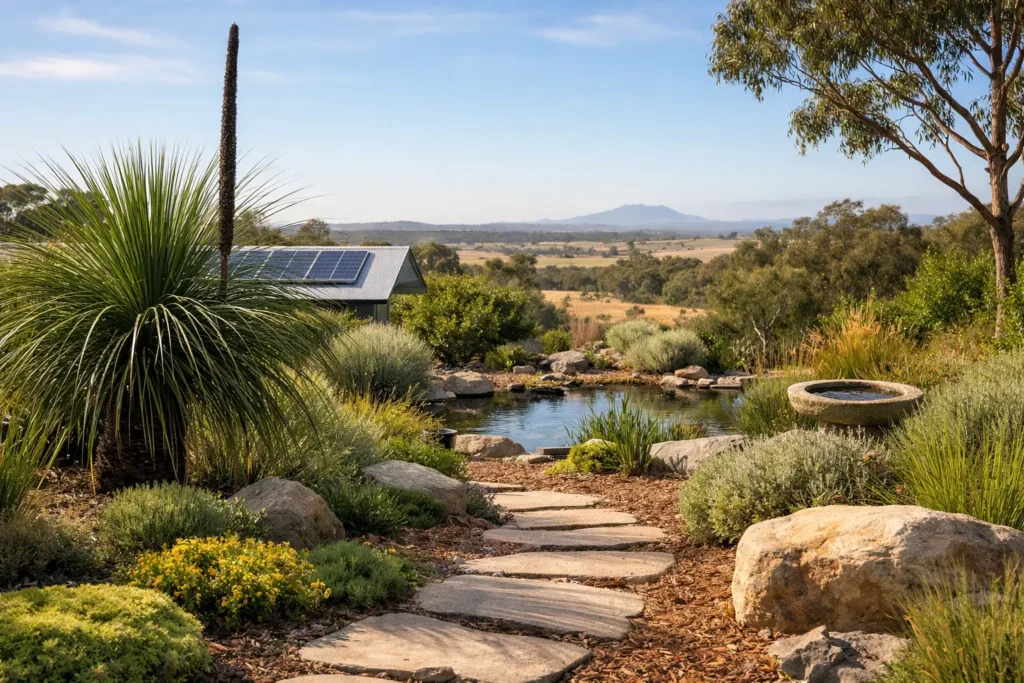
Australian natives are a strong option for sustainable landscapes because many are adapted to local climate patterns and support birds, insects and other wildlife. However, native does not automatically mean low-maintenance. A plant native to a coastal or tropical region may not perform well in a cold, dry Melbourne garden.
The best selection depends on your soil, aspect, available space and desired look. Compact shrubs, grasses, groundcovers and small trees can create layers of texture without the water demand of large lawns or high-maintenance hedges. Species such as lomandra, dianella, correas, westringia and many local indigenous plants can work well in the right conditions.
Consider the mature size of every plant. Overplanting may look lush on day one, but crowded plants compete for water, require frequent pruning and can restrict airflow. Giving plants enough room reduces maintenance and helps the garden look intentional as it grows.
Trees deserve careful planning. A well-placed tree can cool a west-facing wall, shade an outdoor sitting area and improve comfort during summer. The trade-off is that roots, leaf drop and eventual canopy size must be considered near buildings, pools, paths and underground services. Select an appropriate species and position it properly rather than treating it as an afterthought.
Reduce lawn where it does not earn its place
Natural turf remains a good choice for active family areas, pet-friendly yards and spaces where the feel of real grass matters. It can cool the immediate area and soften a hardscape-heavy backyard. But large, rarely used lawns can consume significant water, fertiliser and mowing time.
Keep lawn where it has a clear purpose, then use garden beds, groundcovers, permeable paths or defined entertaining areas elsewhere. This creates a more functional layout and can reduce ongoing maintenance.
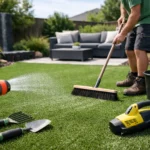
Artificial grass may suit small courtyards, shaded areas where natural turf struggles, commercial entry zones and homes wanting a consistently neat appearance with no mowing. It saves water and avoids chemical lawn treatments, but it is a manufactured surface, can become hot in full sun and eventually needs replacement. Quality installation, good drainage and realistic expectations are essential.
There is no single right answer. The most sustainable surface is the one that suits the location, is installed correctly and will be used for years rather than replaced after a short period.
Build hardscapes that last
Decking, retaining walls, paving and concreting make outdoor areas usable, but their environmental value comes down to durability, drainage and thoughtful design. A patio that cracks because the base was poorly prepared is not sustainable simply because it looked good at handover.
Use materials that suit the application and install them with proper foundations. Retaining walls need engineered consideration where height, loads or drainage demand it. Paved areas need fall so water drains away from buildings. Decking needs ventilation and a structure designed for its exposure to weather.
Where practical, choose durable materials, recycled-content products or locally available options. Reusing sound existing concrete or retaining usable mature plants can also reduce project waste. That said, retaining an unsuitable structure just to avoid replacement can create greater costs and waste later if it fails.
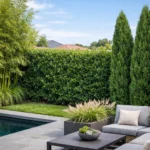
A balanced design often combines hard and soft surfaces. Too much paving can increase heat and runoff, while too little can leave a garden muddy and difficult to use. The right mix gives people clear paths, comfortable outdoor zones and enough planting to cool and soften the space.
Design for lower-maintenance care
Low maintenance is not no maintenance. Every landscape needs seasonal attention, especially in its first year. The goal is to make that care predictable and manageable.
Mulch is one of the simplest tools available. A generous layer of organic mulch helps moderate soil temperature, hold moisture, reduce weeds and gradually improve soil as it breaks down. Keep it clear of plant stems and avoid piling it against building walls.
Pruning should support plant health and shape, not become a weekly battle against plants that have outgrown their allocated space. Choose the right plant size, then allow room for it to develop. Regular checks of irrigation, drainage and edging can prevent small issues becoming expensive repairs.
For commercial properties, maintenance planning should be part of the initial design. Consider access for mowing or pruning equipment, the visibility of garden beds from public areas and how the site will present during dry periods. A polished landscape is easier to maintain when practical details are built in from the beginning.
Work with a complete plan
Sustainable landscaping works best when design and construction are considered together. A planting plan cannot compensate for poor drainage, and an efficient irrigation system cannot fix unsuitable soil or overcrowded plants. Bringing these decisions into one plan avoids costly changes midway through the job.
Australian Landscape Hub helps Melbourne-area clients coordinate landscape design, turf, irrigation, decking, retaining walls, concreting, planting and ongoing upkeep through one experienced team. This approach keeps the finished space aligned with how it will be used and maintained, not just how it looks on the first day.
The most successful sustainable garden is one you want to spend time in and can realistically care for. Start with your site, invest in the elements that last, and let every choice serve both the property and the people who use it.