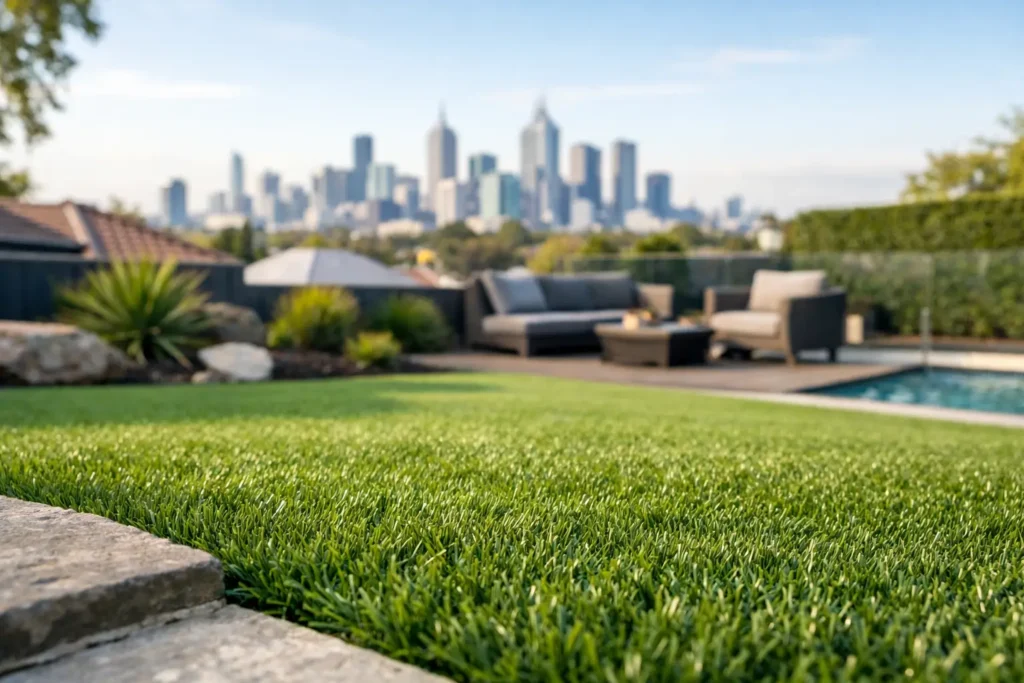
A new synthetic lawn can make a dusty, patchy yard look finished in a matter of days. But before choosing a product, most property owners want a clear answer to one practical question: how long does artificial turf last? For a properly selected and professionally installed surface, 15 to 20 years is a realistic expectation in many Melbourne homes and commercial spaces.
That range is not a blanket guarantee. The quality of the turf, the preparation beneath it, sun exposure, foot traffic and ongoing care all influence how long the lawn keeps its colour, shape and drainage performance. A low-cost product in a busy dog run will not age like premium turf installed in a lightly used courtyard.
How long does artificial turf last under normal use?
Quality artificial turf generally lasts between 15 and 20 years in a residential setting. In sheltered, low-traffic areas, premium products can remain presentable for longer. In comparison, cheaper turf may show flattening, fading or backing deterioration after 8 to 12 years, particularly where installation shortcuts have been taken.
Commercial and high-use applications have a different lifespan. School play areas, retail frontages, childcare centres, sporting zones and common areas can still benefit from artificial grass, but constant foot traffic usually brings replacement closer to the 10 to 15-year mark. This is not necessarily a drawback. The right product can still deliver years of tidy presentation and reduced mowing, watering and maintenance compared with natural lawn.
It helps to think beyond the fibres alone. Artificial grass is a system made up of the turf, joins, infill where required, edging, drainage and the compacted base underneath. A premium lawn can only perform as well as the foundation supporting it.
Product quality makes a visible difference
Higher-grade artificial turf uses stronger yarns, better UV stabilisers and more durable backing. These details affect whether the grass blades spring back after use, resist harsh sunlight and stay securely attached over time. Dense turf with a suitable pile height often looks more natural, but the best option is not always the thickest one.
For example, a short, firm pile may be the better choice for a side passage, putting area or commercial entrance. A softer, fuller product may suit a family backyard where children sit, play and relax. Choosing turf based on the intended use prevents unnecessary wear and helps the finished surface remain practical as well as attractive.
What shortens the lifespan of artificial turf?
Melbourne weather is one reason product selection and installation matter. Artificial turf does not need rain to survive, but it is exposed to strong UV, summer heat, winter moisture and changing temperatures across the year. Good materials are designed for these conditions, while poor-quality products can become brittle, discoloured or misshapen sooner than expected.
Heavy, concentrated traffic is another major factor. A path from the back door to the clothesline, a favourite spot for pets or the route around a pool can flatten more quickly than the rest of the lawn. This does not mean artificial turf is unsuitable for active spaces. It means those spaces need a product, infill and base designed for the job.
Drainage problems are often more damaging than owners realise. If water cannot move through the turf and base properly, it may pool on the surface, soften the ground beneath, create odours in pet areas or affect the joins and edges. Poor drainage also makes the lawn less pleasant to use after rain.
Installation shortcuts can reduce the life of even an excellent turf product. Uneven excavation, inadequate compaction, weak joins and unsuitable edging may lead to ripples, sinking, lifted edges or visible seams. These issues are not only cosmetic. Once the surface starts moving, wear tends to accelerate.
Installation is where long-term value begins
A durable artificial lawn starts with an assessment of the site. The slope, existing soil, intended use, drainage paths and access all need consideration before the turf is chosen. A front yard, balcony, backyard, pet zone and commercial courtyard each have different requirements.
The ground is then excavated and prepared to create a stable, free-draining base. The exact materials and depth depend on the site, but the aim is consistent: provide a level surface that will not settle unevenly and direct water away appropriately. Proper compaction is essential, particularly on reactive soil or areas that will receive regular use.
Once the base is ready, the turf is measured, cut, joined and secured with care. Grain direction needs to be consistent so the lawn looks uniform from the main viewing angle. Edges should sit neatly against paving, garden beds, decking or retaining walls, without creating trip points or gaps where weeds can emerge.
This is where an experienced landscaping team adds value. A professional installation is not simply rolling out grass. It is a construction job that needs to look natural, drain properly and continue performing through years of weather and use.
Signs it may be time to replace your artificial grass
Artificial turf rarely fails overnight. Most owners notice gradual changes that indicate the lawn is reaching the end of its useful life. Flattened blades alone do not always mean replacement is necessary, as brushing can restore some lift. However, several signs together usually warrant an inspection.
Look for widespread fading that makes the turf appear blue-grey or washed out, fibres breaking away from the backing, loose or opening joins, curled edges and recurring low spots. A persistent smell in pet areas despite thorough cleaning can also suggest that the infill, drainage or backing is no longer performing as it should.
If water remains on the surface after normal rainfall, do not assume the turf itself is the only issue. The base may have settled or become compacted, and the drainage system may need repair. Addressing the cause early can sometimes extend the life of the lawn and avoid a larger replacement project.
Can worn turf be repaired?
Small damage can often be repaired. A localised burn mark, a lifted edge, a failed join or a damaged section caused by building works may be fixable without replacing the entire lawn. Matching the existing product can be difficult if it is older or discontinued, but a skilled installer can advise whether a discreet repair is realistic.
When the problem affects the base, drainage or large areas of worn fibre, full replacement is usually the better long-term decision. Replacing turf without correcting an unstable base only repeats the original problem.
Simple care that helps turf last longer
Artificial grass is low maintenance, not no maintenance. A little regular care protects its appearance and makes the space more enjoyable to use.
Brush the surface occasionally with a stiff broom or suitable power brush, working against the grain to lift flattened fibres. Remove leaves, soil and other organic debris before it breaks down into the pile. A gentle rinse can wash away dust and pollen, while pet waste should be removed promptly and affected areas cleaned with an appropriate turf-safe treatment.
Avoid placing hot items directly on the surface. Metal fire pits, hot barbecue parts and reflective glass can create concentrated heat that melts synthetic fibres. Take care with sharp garden tools, and use boards under heavy furniture or equipment where practical to spread the load.
Weeds can occasionally appear around edges or through accumulated debris, even with a well-prepared base. Treating these early and keeping garden beds neatly defined prevents a small issue from spoiling the clean look of the lawn.
Choosing turf for the life you expect from it
The cheapest quote is not always the most affordable outcome. If artificial turf needs early replacement because the product was unsuitable or the base was poorly prepared, the initial saving can disappear quickly. A better approach is to compare the whole installation: turf quality, drainage, base preparation, edging, workmanship and warranty terms.
For Melbourne property owners, it is also worth considering how the outdoor area may change. A quiet courtyard may later become a pet space. A newly landscaped backyard may host frequent family gatherings. Commercial sites may need a surface that remains tidy under daily use. Planning for those demands from the beginning leads to a better investment.
Australian Landscape Hub helps clients assess the site, select turf suited to its purpose and build the supporting landscape around it. When the product and installation are matched properly, artificial turf can provide many years of reliable, attractive outdoor living without the weekly mowing routine.
A well-made synthetic lawn should give you the confidence to use your outdoor space, not constantly worry about maintaining it. Prioritise quality beneath the surface as much as the grass you see on top, and the result is far more likely to stay neat, safe and inviting for years to come.