A garden should add to your weekends, not take them over. If mowing, weeding, watering and replacing struggling plants have become a constant job, a low maintenance garden makeover can give you a more usable outdoor area without sacrificing colour, comfort or street appeal. The best result is not a garden with no living elements. It is one designed around the way you use the property, Melbourne’s variable conditions and the amount of upkeep you genuinely want to do.
A low-care landscape is planned as a whole. Hard surfaces, drainage, planting, irrigation and access all need to work together. Replacing lawn with a few pavers or filling every bed with gravel may look like a quick fix, but it can create heat, drainage issues or a space that feels stark and impractical. A considered design delivers a garden that remains tidy and attractive through dry summers, wet winters and busy periods.
Start With How the Space Needs to Work
Before choosing plants or materials, decide what the garden needs to do. A family backyard may need a tough play zone, room for outdoor dining and clear paths between the house, shed and clothesline. A front garden may be about improving presentation while keeping access simple. For a commercial site, safe footpaths, durable planting and a consistently professional appearance are usually the priority.
This step prevents a common mistake: designing for a photo rather than daily life. A narrow path through a heavily planted bed, for example, may look appealing at first but becomes difficult to maintain. Likewise, a large lawn makes little sense if it is rarely used and sits in shade for much of the day.
Measure the areas that receive full sun, morning sun and deep shade. Watch where water collects after rain, identify exposed sections affected by wind, and consider views from inside the home. These details guide every practical choice that follows.
Use Durable Surfaces to Reduce Garden Work
Hardscaping often has the greatest effect on ongoing maintenance. Well-installed paving, concrete, decking, retaining walls and defined garden edging reduce the amount of lawn to mow and make outdoor areas easier to keep clean.
A paved entertaining area can replace an awkward patch of grass beside the house. Concrete paths create reliable access in wet weather and help stop people cutting across garden beds. Retaining walls can turn a sloping block into level, usable zones while holding soil in place. For Melbourne properties with compact yards, these changes can make the outdoor area feel larger and far more functional.
Material choice matters. Timber decking brings warmth and works well around entertaining spaces, although it needs periodic cleaning and maintenance to preserve its finish. Concrete is hard-wearing and low-care, with finishes available to suit contemporary or more traditional homes. Pavers are easy to repair in sections if needed, but the base preparation must be done properly to avoid movement and uneven surfaces.
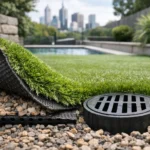
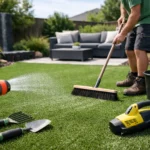
Artificial grass is another practical option for households that want a green, soft area without regular mowing, feeding or watering. It suits small backyards, side yards, pet areas and shaded spaces where natural turf struggles. It still benefits from occasional brushing, rinsing and debris removal, especially beneath trees, but its upkeep is significantly lower than natural lawn.
Choose Plants That Suit Melbourne Conditions
Low-maintenance planting starts with putting the right plant in the right location. A plant labelled hardy can still struggle if it is placed in the wrong soil, exposed to harsh afternoon sun or constantly sitting in wet ground. Selecting plants suited to local conditions means fewer replacements, less watering and less pruning over time.
Native and climate-adapted plants are often excellent choices because they can handle Australian heat, variable rainfall and leaner soils once established. Species such as lomandra, dianella, westringia, correa, native violet and compact varieties of kangaroo paw can provide structure, texture and seasonal interest. The right selection depends on sun levels, soil type, drainage and the finished look you want.
Avoid packing plants too closely together. They may look full on installation day, but overcrowding encourages competition, disease and repeated pruning. Give plants room for their mature size, then use mulch to keep the beds looking complete while they establish.
For a polished layout with minimal effort, repeat a limited range of plants rather than creating many small collections of different species. Repetition creates a calmer, more intentional result and makes future care easier because each area has similar watering and pruning needs.
Keep Lawns Only Where They Earn Their Place
Natural turf remains a good option where children play, pets run or a cool green surface is genuinely valued. However, lawn is usually the most labour-intensive part of a garden. It needs mowing, edging, seasonal feeding, weed control and water during dry periods.
Instead of removing it entirely, reduce it to a manageable shape and size. A simple rectangle or broad curve is quicker to mow than thin strips around garden beds, trees and pathways. In low-use areas, consider groundcovers, mulch, decorative stone or paving instead. This approach retains the benefits of grass without allowing it to dominate the maintenance schedule.
Build Water Efficiency Into the Design
A garden may be low maintenance, but it cannot be ignored while it establishes. New plants need regular water until their roots have grown into the surrounding soil. The difference is that an efficient irrigation system provides water where it is needed, rather than relying on time-consuming hand watering or sprinklers that wet paths and hard surfaces.
Drip irrigation beneath mulch is especially effective for garden beds. It delivers water closer to the root zone, limits evaporation and helps keep foliage dry. Zoned systems allow you to water sunny beds differently from shaded areas, while a controller can adjust schedules as seasons change.
Good drainage is equally important. Water pooling against the house, beneath decking or in planting beds can damage surfaces and weaken plants. During a garden makeover, drainage should be assessed before new finishes are installed. Correct falls, drainage channels and suitable soil preparation protect the investment long after the project is complete.
Mulch, Edging and Access Make a Real Difference
The quiet details are often what make a garden easy to manage. Quality mulch suppresses weeds, holds soil moisture, moderates soil temperature and gives beds a finished appearance. Organic mulch gradually breaks down and improves the soil, although it needs topping up from time to time. Decorative stone lasts longer but can retain heat and is less forgiving if you later want to change planting layouts.
Strong edging separates garden beds from turf, gravel and paths. It stops mulch migrating, reduces the need for constant edge trimming and creates clean lines that make the whole garden appear more orderly. The material can be steel, concrete, timber or masonry, depending on the overall design and budget.
Access should not be overlooked. Make sure there is enough room to move a wheelbarrow, reach irrigation controls, clean around bins and maintain boundary planting. A garden that is difficult to access will eventually be difficult to keep looking its best.
Avoid the False Economy of a Quick Makeover
Some low-maintenance solutions create more work when they are installed without planning. Weed mat beneath stone, for example, can seem useful, but soil and leaf litter eventually build up on top and weeds can still grow through it. Cheap paving bases may settle. Poor-quality artificial grass installation can lead to rippling, drainage problems or visible joins.
The better approach is to invest in proper site preparation, durable materials and a layout that accounts for drainage, soil and future growth. This is particularly valuable on properties with slopes, reactive soil, poor access or multiple levels. These conditions are manageable, but they require experience and the right construction sequence.
A full-service landscape team can coordinate the design, earthworks, hardscaping, turf, irrigation and planting rather than leaving you to manage several contractors. Australian Landscape Hub brings these elements together for Melbourne property owners who want a garden that looks finished, functions properly and stays manageable over the years.
A Low Maintenance Garden Makeover Should Still Feel Personal
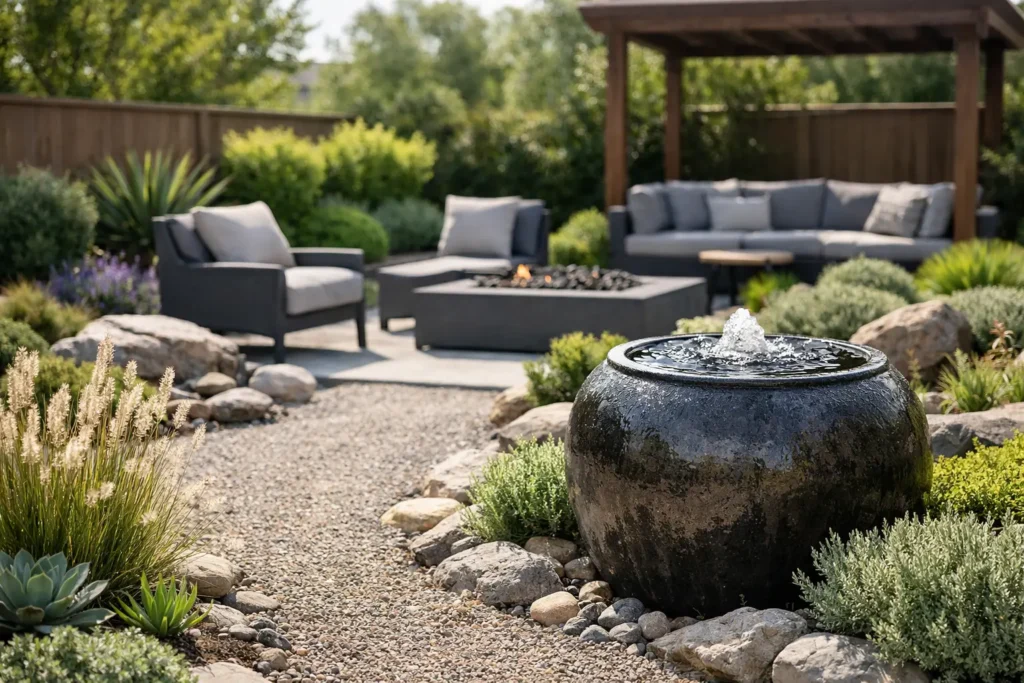
Low maintenance does not mean bland. A small feature tree can create shade and a focal point. Layered planting can soften a fence line. A deck, paved courtyard or built-in seating area can turn an underused yard into a place people actually enjoy. The key is choosing features that offer a strong visual or practical return without adding ongoing chores.
Begin with the tasks you want to stop doing, then design around the outdoor life you want to have instead. With the right structure, planting and water management, your garden can hold its shape, suit the seasons and leave more of your time free to enjoy it.